
Duloxetine Liver Risk Assessment & Monitoring Tool
Step 1: Risk Factor Screening
Step 2: Symptom Checker
Taking a medication for depression or chronic pain often feels like a trade-off. While Duloxetine is a serotonin-norepinephrine reuptake inhibitor (SNRI) used to treat major depressive disorder, anxiety, and neuropathic pain , it comes with a specific warning that doesn't get enough attention: the risk of liver injury. For most people, the drug is perfectly safe. But for a small percentage, it can cause the liver to struggle, sometimes severely. If you or a loved one are starting this medication, understanding how to spot the warning signs and when to ask for blood work can make the difference between a successful treatment and a medical emergency.
The core issue is duloxetine liver health monitoring. While the FDA doesn't mandate routine testing for every single patient, clinical experience and specialty guidelines suggest a more proactive approach. Liver injury from this drug isn't usually immediate; it often sneaks up over several weeks. In fact, the median time to detect elevated liver enzymes is around 50 to 60 days after you start the medication. This means the first few months are the critical window for vigilance.
Who is at higher risk for liver injury?
Not everyone processes duloxetine the same way. Some people have a biological predisposition that makes their liver more vulnerable. For instance, the drug is processed primarily by the Cytochrome P450 enzyme system, specifically the CYP1A2 and CYP2D6 pathways. If your body doesn't produce these enzymes efficiently-something known as a "poor metabolizer" status-the drug can build up in your system, increasing the risk of toxicity.
Beyond genetics, there are concrete lifestyle and health factors that raise the red flag. You should be extra cautious if you fall into any of these categories:
- Chronic Liver Disease: If you have cirrhosis or chronic hepatitis, duloxetine is generally contraindicated. Studies show that people with moderate hepatic impairment can have drug concentrations up to 7 times higher than normal.
- Alcohol Use: Heavy drinking (14+ drinks a week for men, 7+ for women) puts a constant strain on the liver, making it less able to handle the metabolic load of an SNRI.
- Metabolic Health: Patients with a BMI of 30 or higher (obesity) or those managing diabetes are often flagged by specialists for more frequent monitoring.
- Concurrent Medications: If you're taking other drugs known to be hard on the liver, the cumulative effect can trigger hepatotoxicity.
It's worth noting that you don't need a pre-existing condition to be affected. Case reports from Korea have shown healthy adults with no history of alcohol abuse developing liver injury, proving that while risk factors help us predict, they don't provide a total guarantee.
Comparing Duloxetine to other Antidepressants
If you're deciding between different medications, it helps to know how duloxetine stacks up against other options. Most SSRIs (Selective Serotonin Reuptake Inhibitors) like fluoxetine or sertraline have a lower profile for liver toxicity. Research indicates that duloxetine carries about a 1.8-fold higher risk of significant liver enzyme elevation compared to the SSRI class.
| Medication Class | Relative Liver Risk | Primary Monitoring Focus | Key Concern |
|---|---|---|---|
| SNRIs (e.g., Duloxetine) | Moderate | Liver Function Tests (LFTs) | Hepatocellular injury/ALT elevation |
| SSRIs | Low | General wellbeing/Weight | Generally low liver toxicity |
| Tricyclics (TCAs) | Low to Moderate | ECG/Heart Rhythm | Cardiac conductivity |
| Bupropion | Low | Seizure Threshold | CNS excitability |
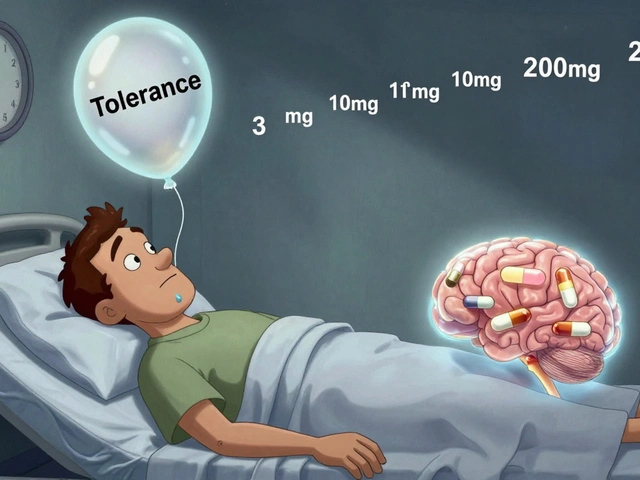
While other SNRIs like venlafaxine show a similar risk profile, duloxetine is uniquely associated with a dose-dependent risk. This means moving from a 30 mg starting dose to a 60 mg maintenance dose can sometimes trigger a spike in liver enzymes if the patient is sensitive.
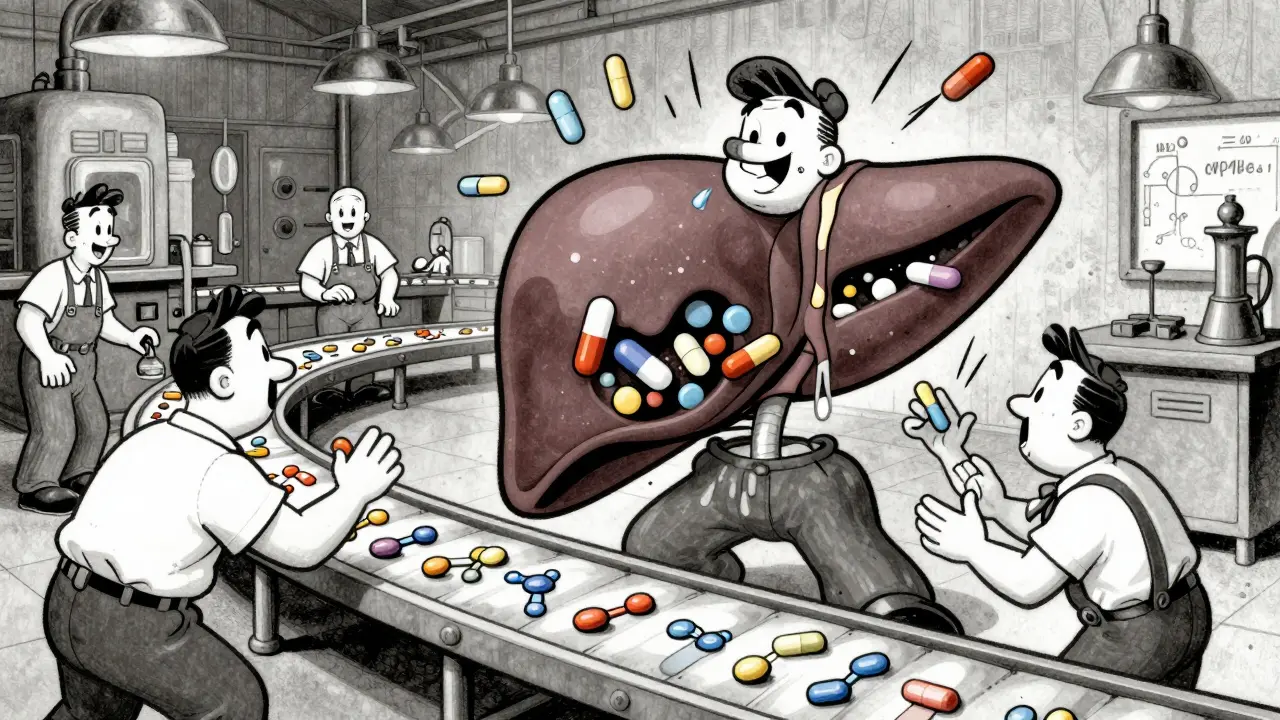
How to monitor your liver health: A practical workflow
Monitoring isn't just about a single blood test; it's a process of combining lab data with how you actually feel. The goal is to catch "transaminitis"-the elevation of liver enzymes-before it turns into full-blown liver failure.
The recommended clinical path generally looks like this:
- Baseline Testing: Before taking the first pill, get a baseline Liver Function Test (LFT). This measures ALT (alanine aminotransferase), AST (aspartate aminotransferase), alkaline phosphatase, and total bilirubin. Knowing your "normal" makes it easier to spot a trend later.
- The Critical Window: Because most issues appear between day 35 and day 62, a follow-up test at 8 to 12 weeks is highly recommended for high-risk patients.
- Symptom Tracking: Labs are great, but your body often speaks first. Watch for these signs:
- Dark-colored urine or light-colored/clay-like stools.
- Unexplained fatigue or a general feeling of being unwell.
- Yellowing of the skin or eyes (jaundice).
- Persistent nausea or itching (pruritus).
If a lab test shows that ALT or AST levels are more than three times the upper limit of normal (ULN), doctors usually repeat the test within a week or two. However, if levels hit five times the ULN or you start showing physical symptoms, the standard protocol is to stop the medication. Be careful here: do not quit "cold turkey," as this can lead to a harsh discontinuation syndrome. Work with your doctor to taper off over 2 to 4 weeks.
Real-world experiences and clinical perspectives
The data from clinical trials suggests that only about 0.6% of patients see ALT elevations over three times the normal limit. However, patient forums tell a more varied story. Some users report sudden, severe reactions-like one individual who saw their ALT skyrocket to 19 times the normal limit after only 45 days-while others have taken the drug for five years with only minor, insignificant fluctuations in their labs.
Clinicians often find themselves in a tug-of-war between the drug's efficacy and its risks. For someone suffering from both major depression and debilitating diabetic neuropathy, duloxetine is often a lifesaver. This is why most psychiatrists continue to use it, but they do so with a "safety first" mindset, prioritizing LFTs for patients who have any liver-related risk factors.

The future of liver safety in psychiatric care
We are moving toward a more personalized approach to medication. New research into pharmacogenomics is helping us understand why some people react poorly while others don't. There is growing evidence that testing for CYP2D6 polymorphisms could eventually become standard practice before prescribing SNRIs, allowing doctors to adjust the dose or choose a different drug entirely based on your genetic makeup.
Additionally, larger medical bodies like the American College of Gastroenterology are working toward standardized consensus statements. The trend is moving away from "caution」 and toward "universal baseline screening," ensuring that no patient starts a potentially hepatotoxic medication without a known starting point for their liver health.
Is liver damage from duloxetine permanent?
In the vast majority of cases, duloxetine-induced liver injury is reversible. Once the medication is discontinued, liver enzymes typically return to normal levels. However, the speed of recovery depends on the severity of the injury and how quickly the drug was stopped.
Do I need blood tests if I drink alcohol occasionally?
While occasional social drinking is different from chronic alcohol use disorder, any substance that affects the liver can interact with duloxetine. If you drink regularly, you fall into a higher-risk category and should prioritize baseline and follow-up LFTs.
Can I take duloxetine if I have a fatty liver?
Non-alcoholic fatty liver disease (NAFLD) is common, but any degree of liver impairment requires a conversation with your doctor. Because duloxetine can increase liver enzyme levels, your physician will need to weigh the benefits of the drug against your specific liver stage.
What is a "normal" ALT level for someone on this medication?
Normal levels vary by laboratory, but generally, anything under the Upper Limit of Normal (ULN) is fine. Concerns typically begin when ALT exceeds 3x the ULN, which may indicate the liver is under stress.
Is there a safer alternative if I have liver concerns?
Many SSRIs generally have a lower risk of hepatotoxicity. Depending on whether you are treating depression, anxiety, or pain, your doctor might suggest an alternative like sertraline or a different class of medication entirely. Always consult your provider before switching.
Next Steps and Troubleshooting
If you are currently taking duloxetine and feeling anxious about your liver health, the best first step is to request a copy of your most recent blood work. If you haven't had a liver panel since starting the drug, schedule one now.
For the Patient: Start a simple log. Note any new fatigue or skin changes. If you notice dark urine or yellowing of the eyes, contact your doctor immediately-do not wait for your next scheduled appointment.
For the Caregiver: Watch for behavioral changes or physical signs like jaundice that the patient might overlook. Encourage them to be honest with their doctor about their alcohol intake, as this is crucial for accurate risk assessment.
If you experience a reaction: Do not stop the medication abruptly. Call your provider and ask for a tapering schedule. Sudden cessation of SNRIs can cause "brain zaps," severe irritability, and flu-like symptoms.



Comments
J. Walter Jenkem
May 1, 2026
It's really helpful to see the timeline for when those liver enzymes usually spike. For anyone feeling anxious, just remember that your doctor is there to help you navigate the titration process safely.
Elizabeth Holden
May 1, 2026
basic stuff lol. ppl dont even know how to read blood tests anyway so why bother with the lfts if they just ignore the results til they turn yellow
Srinivas Komakula
May 1, 2026
One must consider the systemic implications of the CYP450 pathway manipulation!!! Is it merely a side effect, or a calculated physiological destabilization by the pharmaceutical industrial complex to ensure lifelong dependence on ancillary hepatoprotective agents??? The correlation between the 60-day window and metabolic saturation is far too convenient!!!
Kelly Feehely
May 1, 2026
Exactly!!! They tell you it's a "low percentage" to keep you quiet while they poison your liver. This is just another way for Big Pharma to hide the true toxicity of SNRIs. They probably know about the CYP2D6 polymorphisms for years and just didn't want to spend the money on screening because it's more profitable to just treat the liver failure later!!
Lando Neal
May 1, 2026
I think the focus on baseline testing is a great move... it really gives a sense of security when you're starting something new... has anyone else found that drinking a lot of water helps their general wellbeing on these meds???
Kartik Agarwal
May 3, 2026
The pharmacogenomic approach mentioned is the gold standard for mitigating adverse drug reactions. By identifying specific alleles in the CYP2D6 locus, we can effectively transition from empirical prescribing to precision medicine, thereby avoiding the idiosyncratic hepatotoxicity seen in poor metabolizers.
bharat films
May 4, 2026
imagine actually trusting a doctor to monitor your liver 🤡 just switch to an SSRI and save yourself the stress 📉😂
Preety Singh
May 5, 2026
One finds the lack of rigorous baseline screening in general practice to be quite lamentable. It is an elementary requirement for any individual possessing a modicum of health consciousness. The propensity to ignore such critical metabolic indicators is simply primitive
Jimmy Crocker
May 5, 2026
I must concur that the aforementioned timeline regarding the median time to detect elevated enzymes is laaaargingely accurate, though I suspect many clinicians are far too indolent to actually order the LFTs at the eight week mark, which is a travesty of modern medcine given the potential for severe hepatocellular injury as noted in the text.
princess lovearies
May 7, 2026
It's all about balance. Taking care of your mental health is a journey and sometimes the physical trade-offs are just part of the process. Just be kind to yourself and your body while you figure out what works best for you.
Seema Karanje
May 8, 2026
STOP WAITING FOR YOUR DOCTOR TO TELL YOU WHAT TO DO!!! GET YOUR BLOOD WORK DONE NOW!!! WHY ARE YOU PEOPLE JUST SITTING THERE WHILE YOUR LIVER MIGHT BE DYING!!! GET ACTIVE AND TAKE CONTROL OF YOUR HEALTH IMMEDIATELY!!!
Alexa Mack
May 9, 2026
I wonder if this is different in other countries where the healthcare system is more proactive with screening. It's interesting how different the approach to liver monitoring can be depending on where you live.
Jenny X
May 11, 2026
The systemic integration of hepatic toxicity profiles into psychiatric prescribing is a facade for the broader goal of metabolic downregulation. If you look at the pharmacokinetics, the dose-dependent risk is just a way to mask the inherent instability of the SNRI molecule. It's a total setup to make us think the dose is the problem when the chemical structure itself is designed to trigger an immune response in the liver parenchyma.
Write a comment