Bleeding Risk Interaction Checker
Based on data from recent studies published in Circulation.
Picture this: You have a nagging knee ache from arthritis or a stiff neck after sleeping wrong. You reach for the bottle of ibuprofen in your cabinet because it always works. But you also take a daily pill to keep your heart healthy-maybe warfarin, apixaban, or rivaroxaban. You pop both pills with a glass of water and go about your day.
If that sounds like your routine, stop right now. That simple habit might be putting you at serious risk of internal bleeding. It is not just a minor side effect; it is one of the most dangerous medication combinations in modern medicine. Millions of people do this every year without realizing they are mixing two drugs that fight against each other’s safety mechanisms.
The Hidden Danger of Mixing Painkillers and Anticoagulants
To understand why this mix is so risky, you need to look at what these drugs actually do inside your body. Blood thinners, medically known as anticoagulants, work by slowing down the chemical process that makes your blood clot. This prevents dangerous clots from forming in your veins or arteries, which could lead to strokes or heart attacks.
On the other hand, NSAIDs (Nonsteroidal Anti-Inflammatory Drugs) like ibuprofen, naproxen, and diclofenac reduce pain and inflammation. However, they also inhibit platelets-the tiny cells in your blood that help form clots when you get a cut. Furthermore, NSAIDs can irritate the lining of your stomach, making it easier for blood vessels there to bleed.
When you take them together, you are hitting your body’s clotting system from two different angles. The anticoagulant stops the clotting factors, and the NSAID stops the platelets while damaging the stomach wall. The result is a multiplicative increase in bleeding risk. Recent studies show that combining NSAIDs with direct oral anticoagulants (DOACs) increases the overall risk of bleeding by more than double compared to taking the blood thinner alone.
Which NSAIDs Are the Most Risky?
Not all painkillers carry the same level of danger. If you must manage pain while on blood thinners, knowing the specific risks of each drug is crucial. A major 2024 study published in Circulation broke down the risks by specific NSAID type:
- Naproxen: Increases bleeding risk by 4.1 times. While often considered "safer" for the heart in general populations, it poses a significant threat when mixed with anticoagulants due to its strong antiplatelet effects.
- Diclofenac: Increases bleeding risk by 3.3 times. This potent anti-inflammatory is common in prescription strength but carries high gastrointestinal risks.
- Ibuprofen: Increases bleeding risk by 1.79 times. Even though the multiplier is lower than naproxen, ibuprofen is widely available over-the-counter, leading to higher rates of accidental misuse.
Even selective COX-2 inhibitors like celecoxib, which were designed to be gentler on the stomach, still increase bleeding risk significantly (by 1.4 times). The takeaway? No NSAID is truly safe when combined with blood thinners.
Where Does the Bleeding Happen?
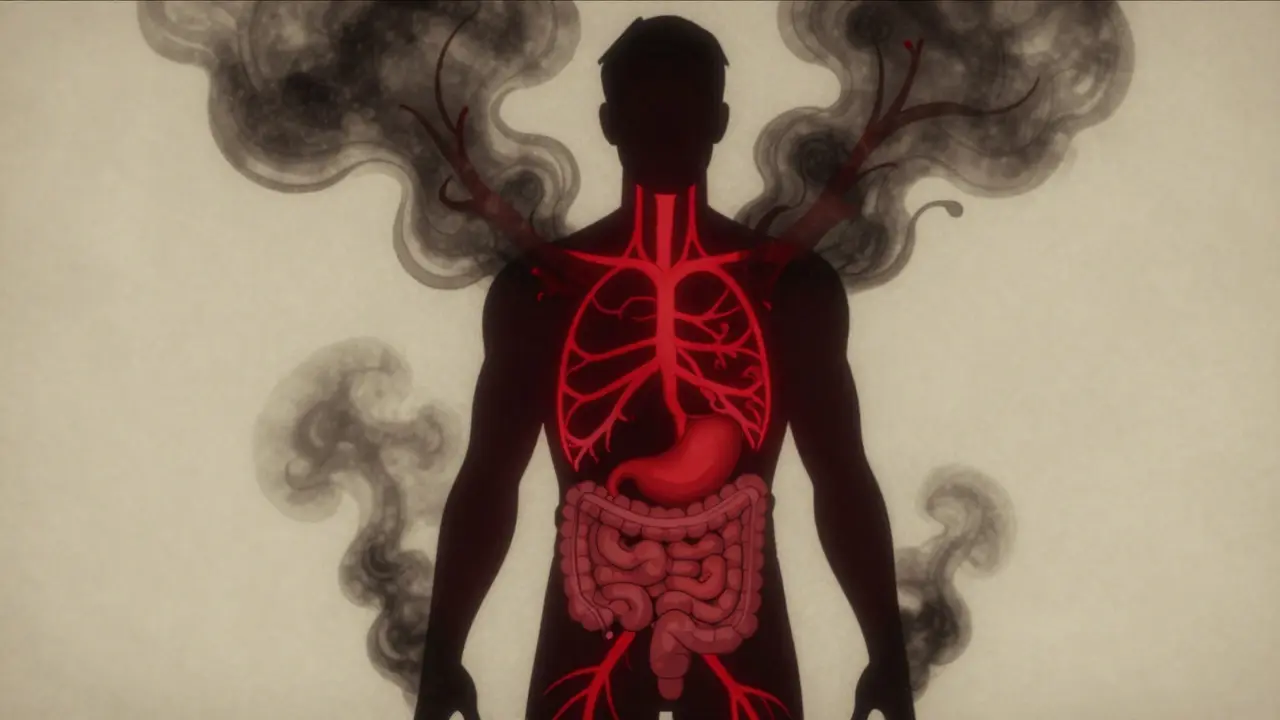
When we talk about "bleeding risk," it does not always mean a visible wound. The most common and dangerous sites for bleeding in patients taking this combination are:
| Body System | Risk Increase | Common Symptoms |
|---|---|---|
| Gastrointestinal (Stomach/Intestines) | 2.24x Higher | Black/tarry stools, vomiting blood, abdominal pain |
| Intracranial (Brain) | 3.22x Higher | Sudden severe headache, confusion, weakness on one side |
| Urinary Tract | 1.57x Higher | Blood in urine, burning sensation |
| Pulmonary (Lungs) | 1.36x Higher | Coughing up blood, shortness of breath |
Gastrointestinal bleeding is particularly insidious because it can happen silently. You might not feel pain until the bleeding has been going on for days, leading to anemia or emergency hospitalization. Intracranial hemorrhage, while less common, is often fatal or causes permanent disability.
Warfarin vs. Newer Blood Thinners (DOACs)
The type of blood thinner you take matters. Older medications like warfarin (Coumadin) have the highest absolute bleeding risk when combined with NSAIDs. Studies show a hazard ratio of 3.8 for warfarin users who add NSAIDs to their regimen.
Newer drugs, known as Direct Oral Anticoagulants (DOACs) such as rivaroxaban (Xarelto), apixaban (Eliquis), dabigatran (Pradaxa), and edoxaban (Savaysa), are generally safer. However, "safer" does not mean "safe." Combining DOACs with NSAIDs still doubles or triples your bleeding risk. For example, apixaban combined with NSAIDs shows a hazard ratio of 1.9, and rivaroxaban shows 2.1.
Many patients assume that because DOACs don’t require regular blood tests (INR monitoring), they are low-maintenance and therefore low-risk. This is a dangerous misconception. The bleeding risk remains high, even if you aren’t checking your blood levels weekly.
Safe Alternatives for Pain Relief
If you cannot take NSAIDs, how do you manage chronic pain from arthritis or acute injuries? There are effective alternatives that do not interfere with your clotting mechanism.
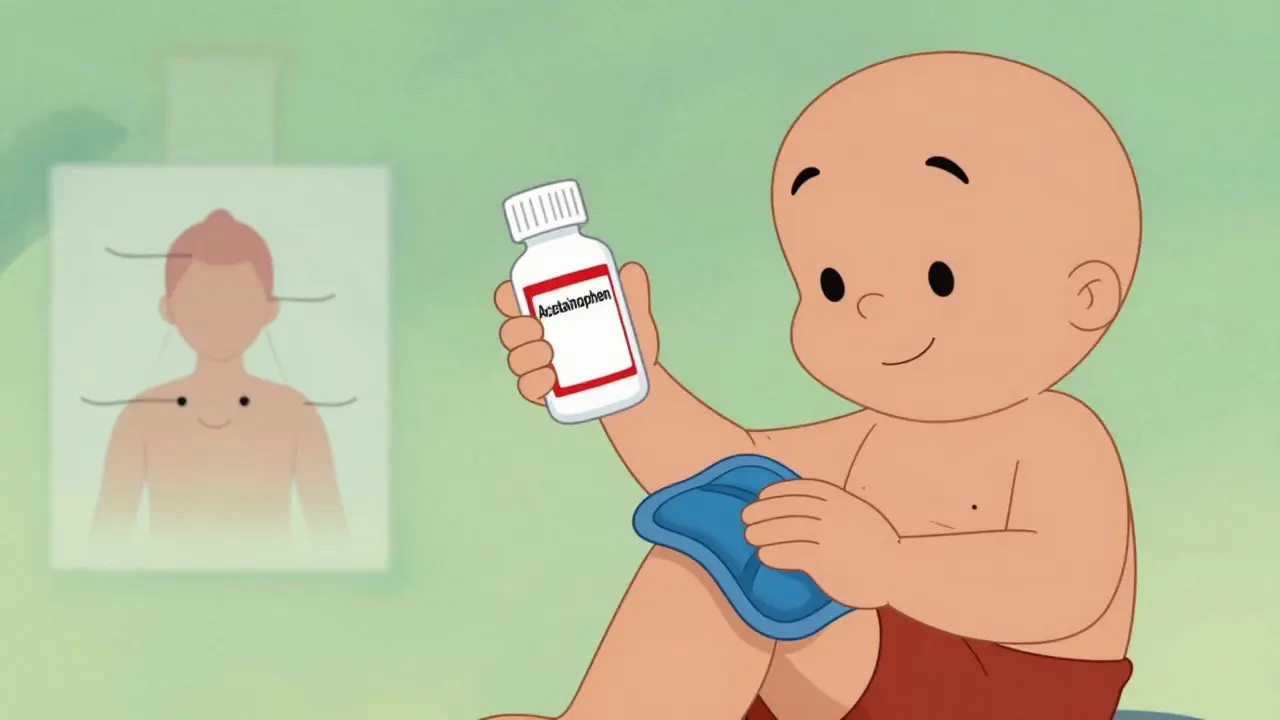
- Acetaminophen (Tylenol): This is the gold standard for pain relief in patients on blood thinners. Unlike NSAIDs, acetaminophen does not affect platelet function or stomach lining. At standard doses (up to 4,000mg per day, though lower is better for liver health), it poses no increased bleeding risk. However, if you have liver disease, consult your doctor first.
- Topical Treatments: Creams, gels, and patches containing diclofenac or capsaicin can provide localized pain relief with minimal absorption into the bloodstream. Because very little of the drug enters your systemic circulation, the risk of interaction with blood thinners is significantly lower than with oral pills.
- Physical Therapy: Strengthening muscles around painful joints can reduce long-term pain. Many patients report adequate pain control after switching from NSAIDs to a structured physical therapy program.
- Cold/Heat Therapy: Simple ice packs for acute inflammation or heating pads for stiff muscles can be surprisingly effective without any drug interactions.
What If You Already Took an NSAID?
Mistakes happen. Maybe you took ibuprofen for a toothache before remembering your blood thinner prescription. Don’t panic, but do take action.
- Monitor for Symptoms: Watch for unusual bruising, nosebleeds that won’t stop, black stools, or blood in your urine. These are signs of active bleeding.
- Contact Your Doctor: Inform them of the accidental ingestion. They may want to check your INR (if you are on warfarin) or simply monitor you closely.
- Do Not Double Up: Do not take extra blood thinner to "counteract" the NSAID. This will make the situation worse.
If you experience severe symptoms like sudden headache, vision changes, or vomiting blood, seek emergency care immediately.
Hidden NSAIDs to Watch Out For
One of the biggest traps is "hidden" NSAIDs. Many over-the-counter cold and flu medicines contain ibuprofen or aspirin. Check labels carefully. Additionally, dentists sometimes prescribe NSAIDs for post-surgical pain without knowing you are on anticoagulants. Always tell every healthcare provider-including dentists, chiropractors, and pharmacists-that you are taking blood thinners.
Can I take aspirin if I am on blood thinners?
Generally, no. Aspirin is an NSAID and carries similar bleeding risks. Unless your cardiologist specifically prescribed aspirin alongside your anticoagulant for a dual-therapy reason (such as after a stent placement), you should avoid it. Never self-medicate with aspirin for headaches or fever.
Is ibuprofen safer than naproxen for people on Eliquis?
Ibuprofen has a slightly lower statistical risk multiplier (1.79x) compared to naproxen (4.1x). However, neither is safe. Both significantly increase the risk of gastrointestinal and intracranial bleeding. Acetaminophen is the preferred alternative for patients on apixaban (Eliquis).
How long does the bleeding risk last after taking an NSAID?
The antiplatelet effects of NSAIDs can last for several days, especially with drugs like naproxen. Ibuprofen’s effects wear off faster, but the damage to the stomach lining can persist. If you accidentally take an NSAID, monitor yourself for at least 3-5 days for signs of bleeding.
Can I use topical diclofenac gel while on blood thinners?
Topical NSAIDs are much safer than oral ones because very little drug enters the bloodstream. However, they are not zero-risk. Use them sparingly and only on small areas. If you have open wounds or broken skin, do not apply them. Consult your doctor for personalized advice.
Why do doctors still prescribe NSAIDs to some patients on blood thinners?
In rare cases, the benefit of treating severe inflammation may outweigh the bleeding risk, but this is done under strict supervision. Doctors may prescribe a proton pump inhibitor (PPI) to protect the stomach and limit the NSAID dose to the lowest effective amount for the shortest possible time (usually no more than 3 days).
Next Steps for Safer Pain Management
Take control of your medication safety today. Start by reviewing all your current prescriptions and over-the-counter habits with your pharmacist. Ask them to screen for interactions. If you rely on NSAIDs for daily pain, schedule an appointment with your primary care provider to discuss transitioning to acetaminophen or physical therapy. Small changes in how you manage pain can prevent life-threatening emergencies.