
Imagine taking a pill for joint pain and ending up in the hospital with a life-threatening blood disorder. It sounds like a medical thriller, but for some patients, this is the reality of the allopurinol and azathioprine interaction. While one drug treats gout and the other suppresses the immune system, combining them without expert oversight can lead to a catastrophic drop in white blood cells, leaving the body defenseless against infection.
What Exactly is the Problem?
To understand the danger, we first have to look at what these drugs do. Allopurinol is a xanthine oxidase inhibitor used to lower uric acid levels in people with gout. On the other hand, Azathioprine is an immunosuppressant typically prescribed for organ transplant recipients or people with inflammatory bowel disease (IBD) and rheumatoid arthritis.
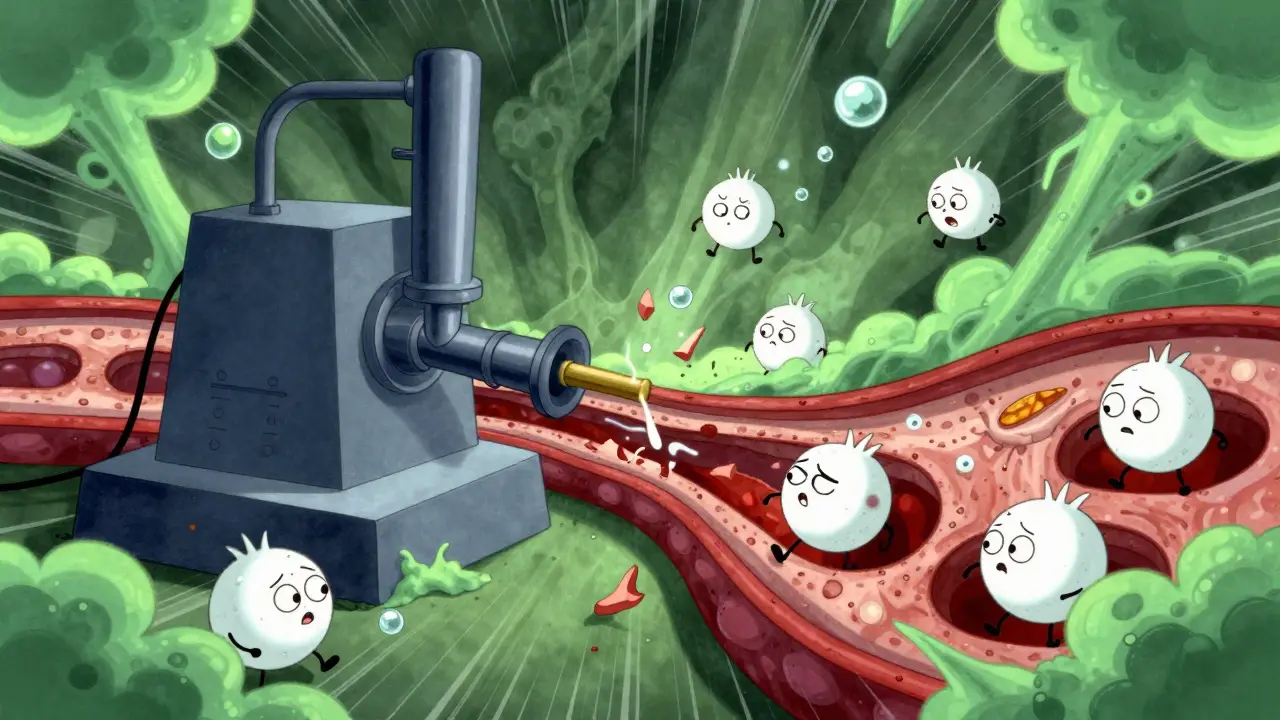
The conflict happens in the liver. Azathioprine breaks down into an active metabolite called 6-mercaptopurine (6-MP). Usually, an enzyme called xanthine oxidase (XO) helps clear 6-MP from your system by converting it into an inactive form. However, since allopurinol's entire job is to block that exact enzyme, the 6-MP has nowhere to go. It builds up in the blood-sometimes increasing by four times the normal level-and begins attacking the bone marrow.
The Danger: Bone Marrow Suppression
When 6-MP levels spike, the bone marrow essentially shuts down. This is known as pancytopenia or severe myelosuppression. In a well-known clinical case from 1996, a heart transplant patient took allopurinol for suspected gout while already on azathioprine. Within a short time, his white blood cell count plummeted to 1.1 × 10³/mm³, and his hemoglobin dropped to a staggering 3.7 g/dL. He required emergency blood transfusions and specialized growth factors just to survive.
This isn't just a theoretical risk; it's a systemic failure. The excessive buildup of active metabolites inhibits the replication of white blood cells and triggers apoptosis (programmed cell death). Without these cells, a simple cold can turn into sepsis, and the inability to clot blood becomes a critical emergency.
| Feature | Allopurinol | Azathioprine | Combined Effect |
|---|---|---|---|
| Primary Use | Gout / Hyperuricemia | Autoimmune / Transplant | High Risk of Toxicity |
| Action | Blocks Xanthine Oxidase | Suppresses Immune Response | Blocked 6-MP Metabolism |
| Target | Uric Acid Levels | T-cell proliferation | Bone Marrow Suppression |
Can These Two Ever Be Used Together?
Surprisingly, yes-but only in very specific, high-risk clinical settings. Some IBD patients are what doctors call "thiopurine shunters." These people metabolize azathioprine into a toxic byproduct called 6-MMP, which damages the liver, rather than the helpful 6-TGN that treats the disease.
In these rare cases, specialists may use a tiny dose of allopurinol to intentionally block that "shunting" pathway. By blocking the XO enzyme, they force the body to produce more of the therapeutic 6-TGN. A 2018 trial showed that over 80% of these specific patients were able to stop using steroids when this combination was managed correctly. However, this is an advanced medical maneuver. It requires weekly blood tests and precise dose adjustments that cannot be handled by a general practitioner.
Safe Prescribing and Monitoring Protocols
If a doctor determines that this combination is absolutely necessary, they don't just guess the dose. They follow strict safety protocols, such as those outlined by Medsafe. The general rule of thumb is that the azathioprine dose must be slashed to about 25% of the standard amount (dropping from roughly 2-2.5 mg/kg/day to just 0.5-0.75 mg/kg/day).
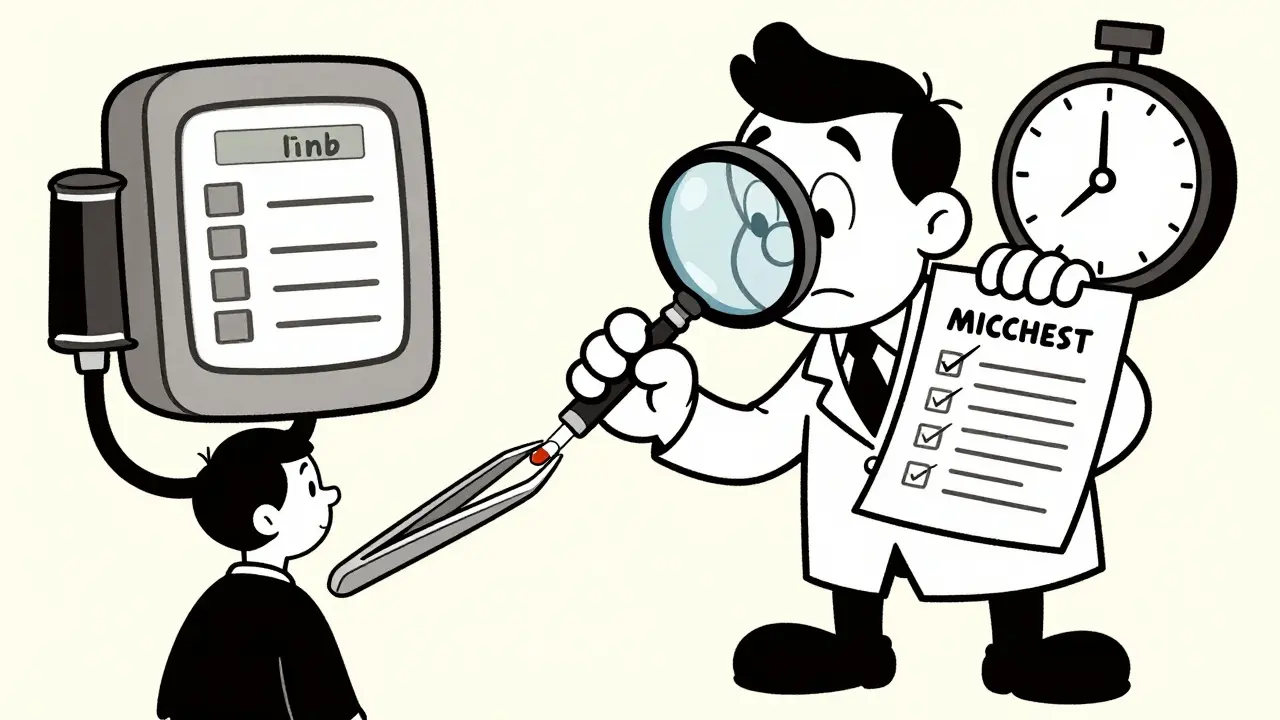
Monitoring is the only way to prevent a disaster. A safe protocol typically looks like this:
- Baseline Testing: Complete blood count (CBC) and liver function tests before the first dose.
- Initial Phase: Weekly CBC checks for the first month to catch any sudden drops in white blood cells.
- Maintenance Phase: Biweekly checks for two months, followed by monthly monitoring.
- Metabolite Tracking: Measuring 6-TGN and 6-MMP levels to ensure the drug is working without poisoning the liver or marrow.
Better Alternatives to Consider
Because the window for safety is so narrow, most doctors prefer to avoid this combination entirely. If you have gout but need to stay on azathioprine, there are other ways to lower uric acid. Febuxostat or Pegloticase are often safer alternatives because they don't interfere with the metabolism of thiopurines in the same lethal way.
Similarly, for those with autoimmune issues, biologics or methotrexate may be safer options than azathioprine if a patient's gout is severe enough to require allopurinol. The goal is always to avoid the "metabolic trap" where a drug designed to help your joints accidentally destroys your immune system.
Why is the allopurinol and azathioprine interaction so dangerous?
It is dangerous because allopurinol blocks the enzyme (xanthine oxidase) that the body needs to break down the active part of azathioprine. This causes the drug to build up to toxic levels in the blood, which can lead to severe bone marrow suppression and a life-threatening drop in white blood cells.
What are the symptoms of bone marrow suppression?
Signs include extreme fatigue (from anemia), frequent or severe infections (due to low white blood cells), and easy bruising or bleeding (due to low platelets). These symptoms often appear quickly after starting the combined therapy.
Can I stop taking one of these drugs if I suspect an interaction?
You should never stop an immunosuppressant like azathioprine without consulting your doctor, as this can cause organ rejection or a severe flare-up of an autoimmune disease. However, you must notify your healthcare provider immediately if you have been prescribed allopurinol while taking azathioprine.
Does this interaction happen with 6-mercaptopurine too?
Yes. Azathioprine is actually converted into 6-mercaptopurine in the body. Therefore, the same dangerous interaction occurs if you take allopurinol and 6-mercaptopurine together.
Is there a genetic test to see if I am at risk?
Yes, testing for TPMT (thiopurine methyltransferase) status can help predict how a person metabolizes these drugs. People with intermediate TPMT activity may be at a higher risk for severe complications when these drugs interact.
Next Steps for Patients and Caregivers
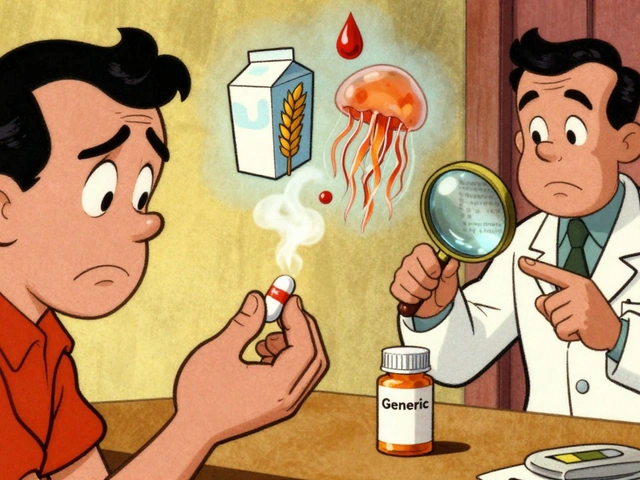
If you or a loved one are taking azathioprine, the most important step is communication. Ensure that every doctor you see-including your GP, your rheumatologist, and your gastroenterologist-knows the full list of your medications. A simple oversight in a clinic can lead to a dangerous prescription.
If you are starting a new gout medication, ask your doctor: "Will this interfere with my immunosuppressants?" If you are already taking both, insist on a scheduled blood monitoring plan. Don't wait for symptoms to appear; by the time you feel the effects of bone marrow suppression, the situation is already a medical emergency.



Comments
Del Bourne
April 6, 2026
It's so critical for patients to keep an updated medication list in their wallet or on their phone. I've seen cases where a specialist prescribes something and the GP doesn't get the update in the electronic health record for days. Being your own advocate is the best way to prevent these kinds of metabolic traps.
Jamar Taylor
April 7, 2026
Stay strong everyone! Just keep talking to your docs and stay on top of those blood tests!
Toby Sirois
April 9, 2026
Obviously, any doctor who doesn't know about the XO enzyme interaction is basically practicing medicine in the dark. It's a basic pharmacokinetic concept. If you aren't checking TPMT levels before starting thiopurines, you're just gambling with the patient's life. Simple as that.
dwight koyner
April 9, 2026
The mention of the 1996 case is a sobering reminder of why pharmacological vigilance is paramount. Pancytopenia is a devastating condition that requires immediate clinical intervention. It is imperative that patients recognize the early signs of fatigue and bruising, as these are often the first indicators that the bone marrow is under stress.
Stephen Luce
April 10, 2026
That sounds absolutely terrifying. I can't even imagine the panic of realizing a simple gout pill could do that to your blood counts. Thanks for sharing the warning.
Jitesh Mohun
April 11, 2026
why wait for disaster just use febuxostat if u got gout and immune issues no need to risk it all for allopurinol its just basic common sense people need to be more careful with these drugs
Daniel Trezub
April 13, 2026
I'm not sure I agree that Febuxostat is always the 'safer' bet. While it avoids the XO pathway issues with azathioprine, it has its own cardiovascular risk profile that some people ignore. But hey, at least it won't wipe out your white blood cells in a week, so I guess it wins on that front.
Alexander Idle
April 15, 2026
Good heavens, the sheer audacity of a medical system that allows such a lethal combination to be prescribed without an automatic alert! This is practically a tragedy waiting to happen in every single clinic across the country. It is an absolute farce that we rely on the patient to remember to mention their gout meds to a specialist who should already have the records. I am utterly aghast at the potential for catastrophe here, truly a nightmare scenario for any unlucky soul caught in the crossfire of bureaucratic incompetence.
Sarabjeet Singh
April 17, 2026
Keeping a steady routine with blood work is the way to go. Just stay disciplined.
Christopher Cooper
April 17, 2026
It's fascinating how the 'shunting' pathway can be manipulated for therapeutic benefit in IBD patients. It really shows how complex individual biochemistry is. The idea that a normally dangerous interaction can be used as a precision tool to stop steroid use is a great example of personalized medicine. I wonder if there are other similar 'dangerous' pairs that can be used safely under extreme monitoring to treat refractory cases.
Write a comment