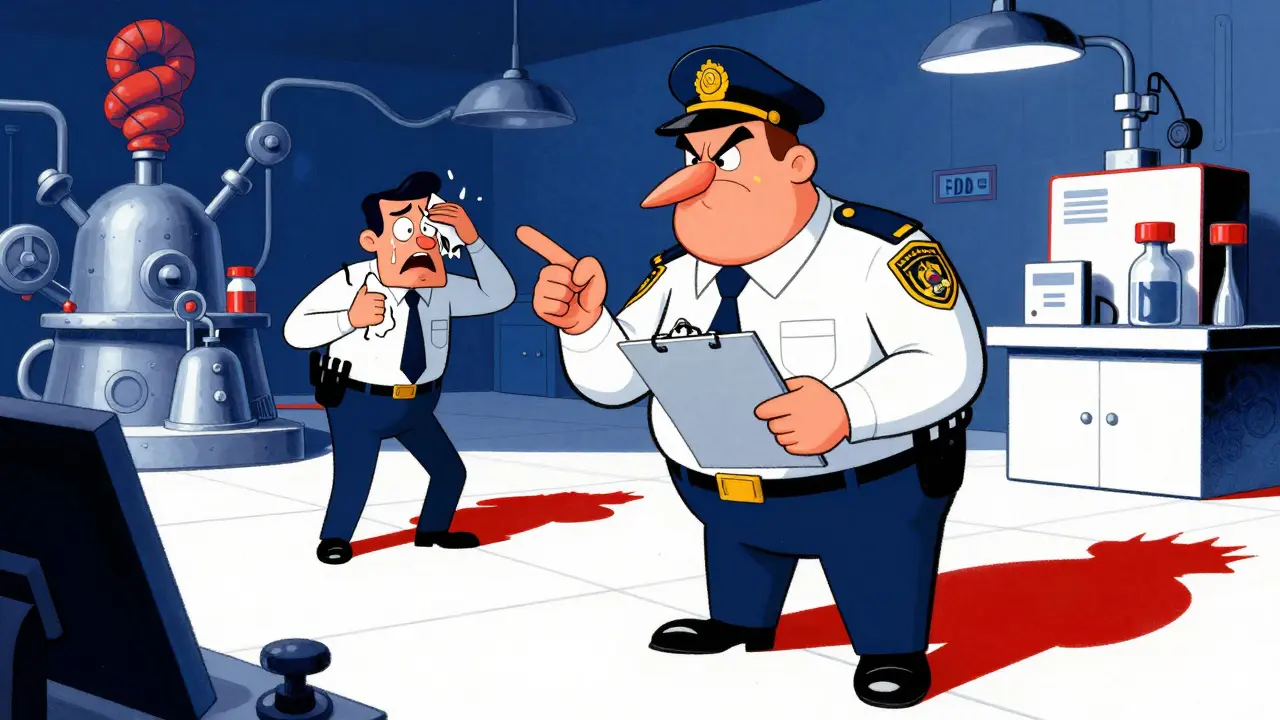
Imagine a team of federal investigators walking through your manufacturing plant. They aren't just looking at the machines; they are scrutinizing your paperwork, interviewing your staff, and checking every record for consistency. This is an FDA facility inspection, which is a careful, critical, official onsite examination of a facility to determine its compliance with federal law. For manufacturers of drugs, devices, biologics, and food, this isn't a drill. It is a high-stakes evaluation that can mean the difference between market approval and a warning letter.
The U.S. Food and Drug Administration (FDA) doesn't inspect everyone all the time. In fiscal year 2022, the agency inspected approximately 12,000 domestic facilities and 1,000 foreign ones. With only about 900 field investigators across 21 district offices, they have to be smart about where they go. The process serves as a 'snapshot in time'-a momentary look at your operations that complements other oversight mechanisms like pre-market reviews and post-market surveillance. If you are in the regulated industry, understanding how this snapshot is taken is crucial for maintaining your license to operate.
How the FDA Decides Who to Inspect
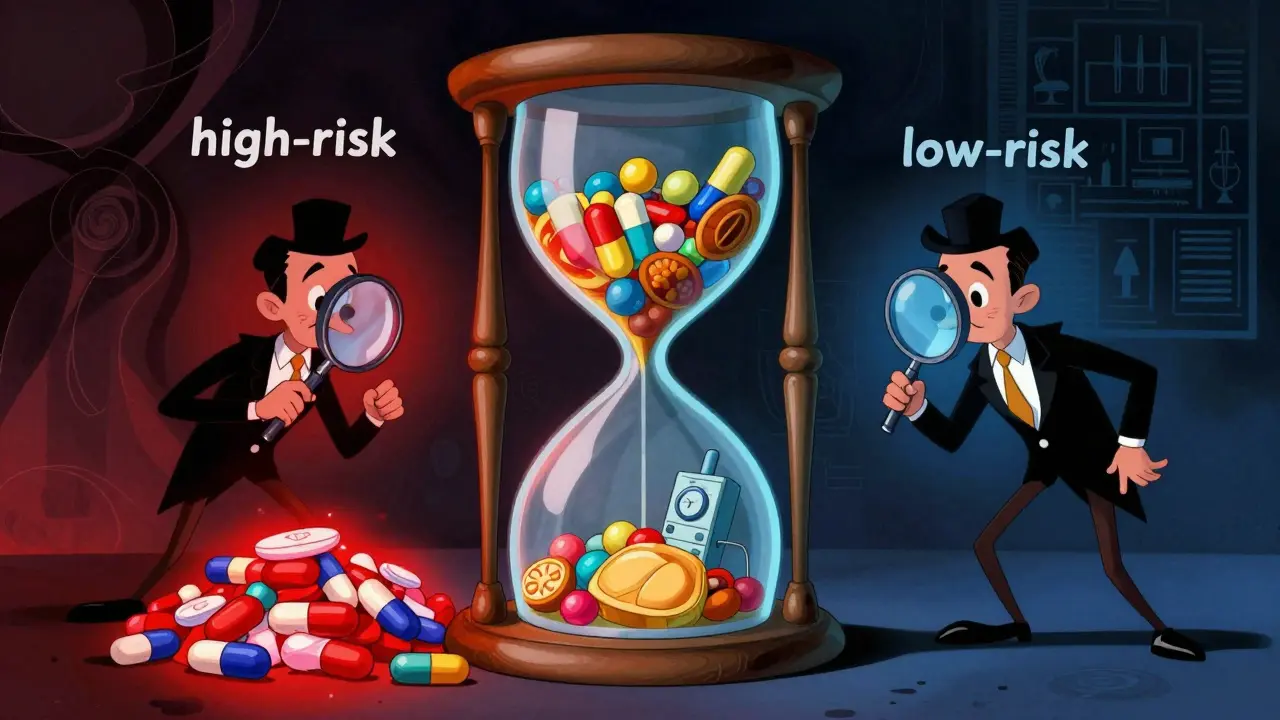
You might wonder why some companies get visited every six months while others go three years without a knock on the door. The answer lies in the risk-based site selection model the FDA has used since 2019. This multi-criteria decision analysis tool prioritizes sites using 12 specific risk factors. It’s not random; it’s calculated.
The agency looks at three main buckets of risk:
- Product Risk: Does the product treat a serious condition? Is it for a vulnerable patient population, like infants or the elderly?
- Facility Risk: Do you have a history of violations? Have you had recalls recently?
- Process Risk: Are you using novel manufacturing approaches that haven't been fully validated yet?
If you fall into the higher-risk category, expect inspections every 6 to 12 months. Lower-risk sites, such as those making simple dietary supplements, might see an inspector only once every 3 to 5 years. As of March 2024, the FDA's Office of Regulatory Affairs (ORA) Inspection Dashboard shows that this model is actively shifting resources toward high-impact areas, including geriatric care products.
The Four Types of Inspections You Need to Know
Not all visits are created equal. The FDA categorizes inspections into four distinct types, each with its own protocol and intensity. Knowing which one is coming helps you prepare correctly.
| Inspection Type | Purpose | Trigger/Timing |
|---|---|---|
| Pre-Approval Inspection (PAI) | To assess Current Good Manufacturing Practice (CGMP) compliance before product approval. | After a Pre-Market Approval (PMA) submission. Must occur within 30 days of FDA determining readiness. |
| Routine Surveillance | To verify ongoing compliance with regulations. | Every 2-5 years based on risk profile. |
| Compliance Follow-Up | To verify that previous violations have been corrected. | After a prior inspection found objectionable conditions. |
| For Cause | To investigate specific evidence of non-compliance. | Triggered by tips, sudden complaint spikes, or adverse events. Often unannounced. |
Pre-approval inspections are particularly rigorous because they mandate adherence to 21 CFR 212 for devices. Routine surveillance is what most people think of when they hear 'FDA inspection,' but 'for cause' inspections are the most stressful because they often come with no notice. These are triggered by things like confidential informant tips or a sudden jump in consumer complaints.
What Happens During the Inspection Process
The inspection follows a standardized protocol. It usually starts with notification, though 'for cause' inspections may skip this step entirely. When inspectors arrive, they present their credentials and FDA Form 482, the 'Notice of Inspection.' This is mandated by 21 CFR 10.20. From that moment on, you should have a designated facility representative accompany them at all times.
The visit itself typically lasts 3 to 10 days, depending on the complexity of your facility. Investigators will conduct facility tours, interview personnel, and review records. They aren't just skimming; they are looking for deviation reports, non-conformance reports, equipment qualification documentation, and process validation records. They may even collect samples for testing.
At the end of the visit, the investigators discuss significant findings with management. If they found issues, they issue a written report called FDA Form 483, which lists objectionable conditions observed during the inspection. You have 15 working days to respond to this form. This response is critical-it’s your first chance to explain context or show corrective actions before a more severe warning letter is issued.
The Biggest Pitfalls: Data Integrity and Documentation
If there is one area where facilities consistently fail, it is data integrity. Dr. Rebecca Wang, Director of the Center for Devices and Radiological Health, testified in February 2024 that data integrity concerns now account for 45% of all inspection observations, up from 28% in 2020. Why? Because the FDA is intensifying its focus on electronic records under 21 CFR Part 11 requirements.
A 2025 inspection readiness checklist developed by compliance expert Michael Halpern identified that 78% of inspection observations stem from just four documentation deficiencies:
- Inadequate deviation investigations (32%)
- Incomplete training records (24%)
- Insufficient validation documentation (15%)
- Poor change control records (7%)
It’s not just about having the documents; it’s about them telling a consistent story. If your logbook says a machine was calibrated on Monday, but the maintenance ticket says Tuesday, that’s a red flag. Inspectors are trained to spot these discrepancies immediately. As one quality assurance professional noted on Reddit, keeping your facility diagram updated within 7 days of any layout change is a small step that builds massive credibility.
How to Prepare: A Practical Timeline
Don’t wait until you get the call. Preparation should be continuous, but if you know an inspection is coming, follow a structured timeline. The University of Iowa’s Human Subjects Office recommends a 30-day preparation plan:
- Days 1-5: Conduct a comprehensive document review. Check for gaps in training records and deviation logs.
- Days 6-15: Train staff and run mock inspections. Ensure everyone knows how to answer questions consistently.
- Days 16-25: Perform facility walkthroughs. Fix housekeeping issues that might distract from process evaluations.
- Days 26-30: Final readiness verification. Set up your inspection support room.
That support room is key. ComplianceOnline’s 2024 protocol emphasizes equipping a dedicated space with printers, computers, and secure access to your document management system. Facilities using this approach resolved document requests 40% faster during 2023 inspections. Remember, 83% of facilities that designated a single inspection coordinator reported smoother inspections than those with multiple points of contact.
Future Trends: Remote Assessments and AI
The landscape of FDA inspections is changing. The FDA’s 2024 Strategic Plan projects a 35% increase in remote assessment tools by 2026. Pilots conducted in 2022-2023 with 147 facilities showed that virtual tours and remote document review were equally effective to in-person visits for 78% of documentation items. This means you need to ensure your digital records are as robust as your physical ones.
Additionally, the FDA’s 2024-2027 Inspection Modernization Initiative plans to implement AI-assisted document review systems by Q3 2025. Twelve pilot facilities are scheduled for testing in late 2024. This technology will likely make it easier for inspectors to cross-reference thousands of pages of data in real-time, further highlighting the importance of accurate, consistent, and accessible records.
How long does an FDA facility inspection last?
An FDA facility inspection typically lasts between 3 and 10 days, depending on the size and complexity of the facility. Simple operations might be inspected in a few days, while large pharmaceutical plants with complex processes can take two weeks or more.
What is the difference between a Form 483 and a Warning Letter?
A Form 483 is issued at the end of an inspection listing specific objectionable conditions. It is an immediate finding. A Warning Letter is a more severe regulatory action sent later if the company fails to adequately address the issues raised in the Form 483 or if the violations are deemed serious enough to warrant public notice.
Can the FDA inspect without notice?
Yes. While routine surveillance inspections usually provide 5 business days' notice, 'for cause' inspections triggered by safety concerns, complaints, or tips may be unannounced. Companies must always be prepared for an immediate arrival.
How often does the FDA inspect foreign facilities?
The FDA inspects approximately 1,000 foreign facilities annually. Due to resource constraints, foreign inspections are heavily prioritized based on risk. High-risk facilities may be inspected more frequently, while lower-risk ones might rely more on audits by other countries' regulatory bodies.
What is the most common reason for FDA inspection failures?
Data integrity issues are currently the top concern, accounting for 45% of observations. Other major causes include inadequate deviation investigations, incomplete training records, and poor change control documentation. Consistency between physical actions and recorded data is critical.