Naloxone Co-Prescribing Risk Assessor
Based on CDC and HHS guidance, this tool helps identify patients who should be offered a naloxone prescription alongside opioids. Select your daily opioid dose and applicable risk factors.
Benzodiazepines
High ImpactConcurrent use of sedatives (e.g., alprazolam, diazepam).
Respiratory Issues
ModerateCOPD, Sleep Apnea, or other lung conditions.
Past History
High ImpactPrevious overdose or Substance Use Disorder (SUD).
Household Hazards
Low/ModerateChildren or pets present in the home.
Mental Health
ModerateDepression, anxiety, or recent incarceration.
Recent Overdose
CriticalNon-fatal overdose in the past year.
Enter your details and click "Assess" to see if naloxone is recommended for your profile.
- Score 0-1: Low Risk - Discuss with provider if concerns exist.
- Score 2-3: Moderate Risk - Strong candidate for discussion.
- Score 4+: High Risk - Naloxone strongly recommended by guidelines.
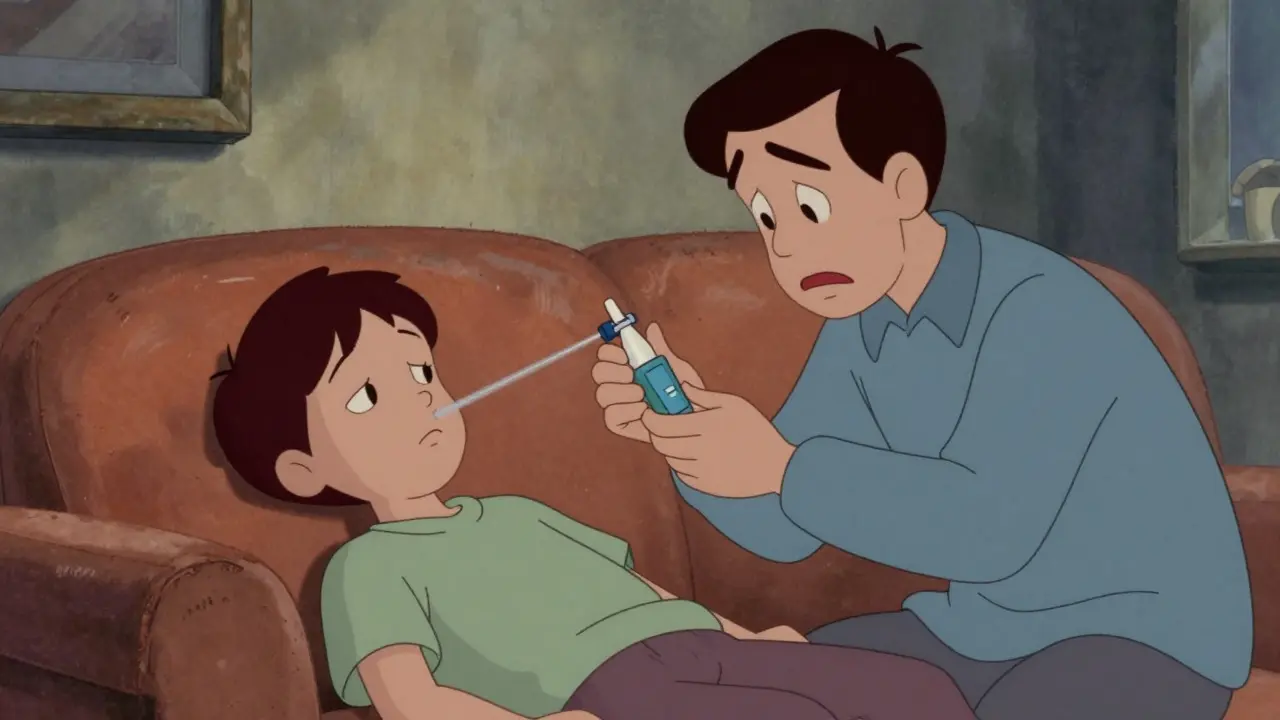
Imagine a scenario where a family member accidentally takes too many painkillers. In the past, that moment was terrifying and often fatal. Today, a small nasal spray can reverse the damage in minutes. This is the power of naloxone, an opioid antagonist medication designed to rapidly reverse respiratory depression caused by opioids. For patients on long-term pain management, this isn't just a backup plan; it's a critical safety net. Understanding how naloxone works alongside your prescription can mean the difference between a manageable emergency and a life-threatening crisis.
The practice of prescribing naloxone alongside opioids, known as naloxone co-prescribing, has become a standard of care in modern medicine. It addresses a specific gap in patient safety: the risk of accidental or intentional overdose. If you or a loved one are taking opioids for chronic pain, knowing when and why a doctor should offer this medication is essential for staying safe.
Key Takeaways
- Naloxone is a fast-acting opioid antagonist that reverses overdose symptoms like slow breathing and unconsciousness.
- CDC guidelines recommend offering naloxone to patients taking 50 morphine milligram equivalents (MME) or more per day.
- Risk increases significantly with concurrent use of benzodiazepines, history of substance use disorder, or respiratory conditions like COPD.
- Intranasal formulations are preferred for home use due to ease of administration by non-medical caregivers.
- Insurance coverage for naloxone has improved dramatically since the SUPPORT Act of 2018, making it accessible for most patients.
Why Co-Prescribing Matters: The Risk Landscape
Opioids save lives by managing severe pain, but they carry a narrow therapeutic window. The danger lies not just in taking too much, but in how the body processes the drug. When clinicians prescribe opioids, they must assess the "overdose risk profile." The Centers for Disease Control and Prevention (CDC) established clear benchmarks for this assessment. A key metric is the Morphine Milligram Equivalent (MME) dose. This standardizes different opioids into a single unit for comparison. For example, 30 mg of oral morphine equals 20 mg of oral oxycodone. According to HHS guidance, patients receiving 50 MME/day face a 100% increased risk of overdose compared to those at 20 MME/day.
Beyond dosage, several factors amplify this risk. These include:
- Concurrent Benzodiazepine Use: Taking sedatives like alprazolam or diazepam alongside opioids suppresses breathing further.
- Respiratory Conditions: Patients with Chronic Obstructive Pulmonary Disease (COPD) or obstructive sleep apnea have less respiratory reserve.
- Substance Use History: A past history of substance use disorder or recent incarceration increases vulnerability due to tolerance fluctuations.
- Mental Health Factors: Depression or anxiety may lead to higher self-dosing or accidental ingestion by household members.
When these factors align, the margin for error shrinks. Naloxone acts as a physiological insurance policy. It doesn't treat the pain, nor does it replace careful dosing; it simply buys time until professional help arrives.
How Naloxone Works: The Science of Reversal
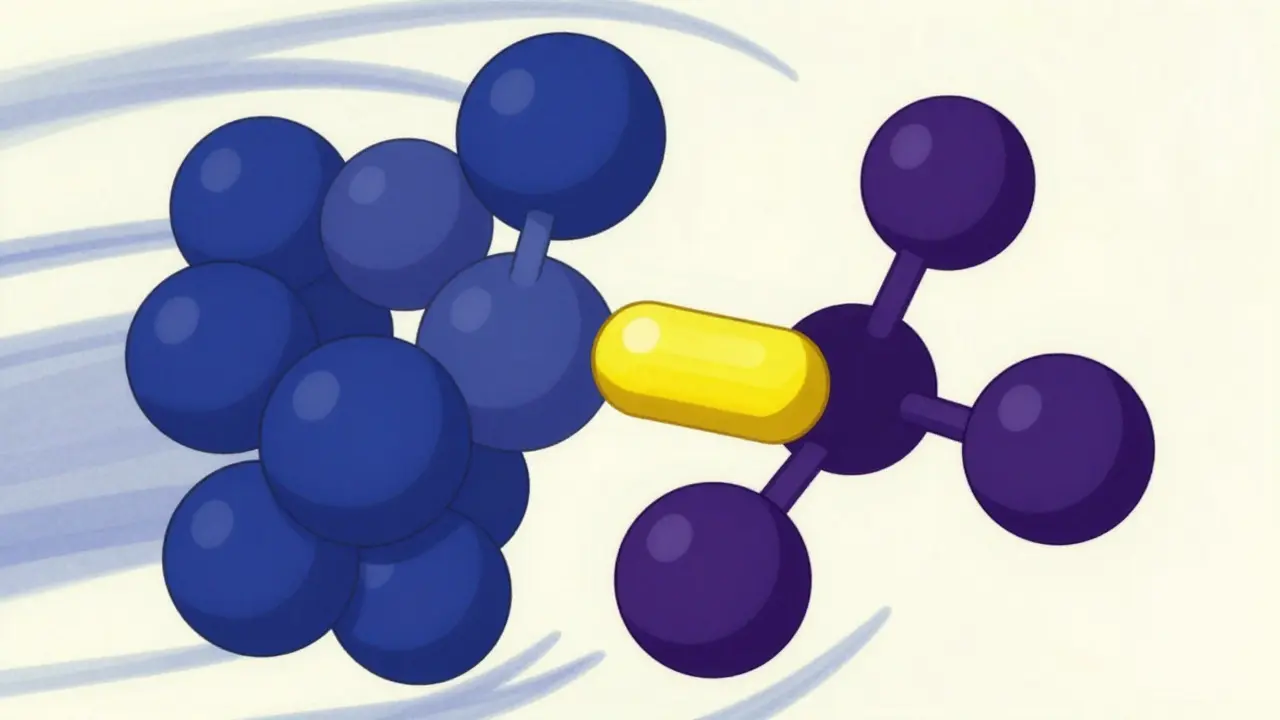
To understand why naloxone is effective, you need to look at receptor binding. Opioids work by attaching to mu-opioid receptors in the brain, which reduces pain perception but also slows breathing. Naloxone competes for these same spots. It has a higher affinity for the receptors than most opioids do. When naloxone binds, it displaces the opioid, effectively turning off the signal that causes respiratory depression. This process happens quickly. Intranasal naloxone typically starts working within 2 to 5 minutes. This speed is crucial because cardiac arrest from opioid overdose can occur within 10 minutes of the last breath.
The formulation matters for home use. While intravenous and intramuscular versions exist for hospital settings, the intranasal spray is the gold standard for households. It requires no needles, no training in injection technique, and minimal dexterity. Studies show that family members are more likely to administer a nasal spray correctly during a stressful emergency than an injectable kit. The S.L.A.M. framework helps patients remember the steps: identify Signs of overdose, take Life-saving steps (like calling 911), Administer naloxone, and Monitor until help arrives.
Who Should Get a Prescription?
Not every patient on opioids needs naloxone, but many do. Clinicians use a risk-based approach rather than a blanket rule. However, certain profiles make co-prescribing almost mandatory. Here is a breakdown of high-risk categories based on current clinical guidelines:
| Risk Factor | Specific Criteria | Reason for Increased Risk |
|---|---|---|
| High Dose Opioids | ≥50 MME/day | Higher concentration leads to greater respiratory suppression potential. |
| Medication Interactions | Concurrent benzodiazepines | Additive sedative effects drastically lower respiratory drive. |
| Respiratory Comorbidities | COPD, Sleep Apnea | Pre-existing lung issues reduce capacity to handle further depression. |
| Household Hazards | Children or pets present | Accidental ingestion is a leading cause of pediatric overdose. |
| Past Medical History | Previous overdose or SUD | History indicates higher likelihood of recurrence or misuse. |
If any of these apply, the conversation about naloxone should happen early in treatment. Doctors should explain that having the medication is a sign of prudent care, not a judgment on the patient's reliability. Stigma remains a barrier, with some patients feeling that being offered naloxone implies their doctor doubts their ability to manage their medication. Addressing this mindset is part of the provider's role.
Overcoming Barriers: Cost, Access, and Stigma
One of the biggest hurdles in the past was cost. Brand-name naloxone could be expensive without insurance. However, the landscape shifted significantly after the passage of the SUPPORT for Patients and Communities Act in 2018. This legislation required Medicare Part D and Medicaid plans to cover naloxone without restrictions. As a result, generic naloxone kits now range from $25 to $50 at major pharmacy chains, while brand-name options like Narcan® retail for around $130-$150. Most major insurers now cover these costs with minimal or no copay.
Access varies by geography. Urban pharmacies stock naloxone consistently, but rural areas still face gaps. In 2019, only 42% of rural pharmacies consistently stocked the medication compared to 85% in urban centers. To bridge this gap, 49 states now allow pharmacists to dispense naloxone under standing orders, meaning a patient might not even need a direct prescription from a doctor if a pharmacist deems them at risk. This flexibility is vital for patients in remote areas or those with limited access to primary care.
Stigma is another silent barrier. Some patients refuse the prescription because they interpret it as a label. Healthcare providers are trained to frame naloxone as a tool for household safety, similar to keeping a fire extinguisher in the kitchen. You don't keep a fire extinguisher because you expect a fire; you keep it because the consequences of not having one are catastrophic. Reframing the medication this way helps normalize its presence in the home.
Implementation: What Happens at the Doctor's Office
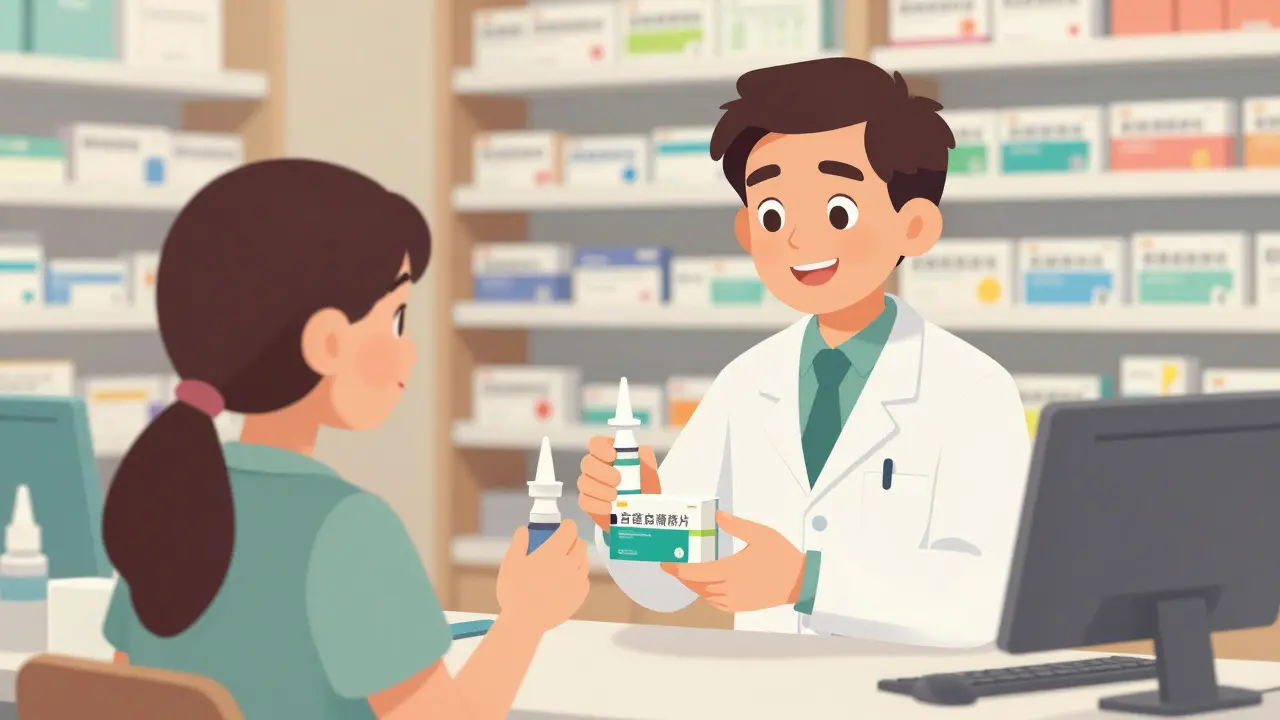
Adding naloxone to a regimen shouldn't feel like an afterthought. It follows a structured workflow that adds only 5-7 minutes to a typical visit. First, the clinician performs a risk assessment using data from the Prescription Drug Monitoring Program (PDMP) and clinical history. Next, they provide education. This isn't just handing over a box; it involves demonstrating how to use the device. Many clinics use SAMHSA's Opioid Overdose Prevention Toolkit to walk patients through the signs of overdose and the mechanics of the spray.
Documentation is key. Electronic Health Records (EHR) templates are increasingly standardized to track who received naloxone, what risk factors were identified, and whether education was provided. This ensures continuity of care. If you switch doctors, the new provider can see that you have a naloxone plan in place. Consistency in documentation helps maintain the safety net across different healthcare settings.
Future Directions and Current Trends
The field is evolving. Recent updates to CDC guidelines expand recommendations beyond just high-dose users. Now, any patient who has experienced a non-fatal overdose in the past year is recommended for co-prescribing, regardless of their current MME dose. This recognizes that a past event is the strongest predictor of a future one. Additionally, the FDA approved the first generic naloxone nasal spray in 2023, which is projected to reduce costs by 40%. Long-acting formulations are also in trials, aiming to provide protection for several days rather than hours, which could benefit patients with unstable routines.
Federal support continues to grow. The HEAL Initiative has invested billions in overdose prevention, with significant portions allocated to improving naloxone delivery systems. Despite this progress, gaps remain. Only 38% of high-risk patients currently receive naloxone despite guidelines. Closing this gap requires continued provider education and policy enforcement. For patients, the message is clear: ask about naloxone if you fit the risk profile. It is your right, and increasingly, your doctor's duty.
Frequently Asked Questions
Does naloxone stop my pain relief?
Yes, naloxone reverses the effects of opioids, including pain relief. However, it is only used in emergencies. Once the overdose is reversed and the patient is stable, normal pain management resumes. The goal is to save life, not to permanently alter the pain regimen.
Can I use expired naloxone in an emergency?
Yes. Studies show that naloxone retains potency well beyond its expiration date. In a life-or-death situation, an expired dose is far better than no dose. Store it at room temperature away from moisture to maximize shelf life.
What if the person overdoses again after naloxone works?
This can happen if the original opioid dose was very high. Naloxone wears off faster than many long-acting opioids. If breathing slows again, wait two minutes and administer a second dose if available. Keep monitoring until EMS arrives.
Do I need a prescription to buy naloxone?
In many U.S. states, you can buy naloxone over-the-counter without a prescription. However, having a prescription ensures insurance coverage. Check your local state laws and pharmacy policies for specific requirements.
Is naloxone safe for children?
Yes, naloxone is considered safe for children. There is no maximum age limit. If a child ingests opioids, administer the dose and call 911 immediately. Pediatric doses are often the same as adult doses for intranasal sprays, but consult a pharmacist for specific product instructions.