You find a website offering your prescription medication for half the price. No doctor’s note required. Just click, pay, and wait. It sounds like a win for your wallet, but it might be a death sentence for your health. This is not a hypothetical scenario; it is the daily reality for millions of people navigating the shadowy world of online pharmacy counterfeits are illegally produced pharmaceutical products sold through unregulated internet channels that bypass critical safety protocols and pose severe health risks.. These operations are not small-time scams. They are sophisticated criminal networks that exploit global supply chain vulnerabilities to distribute dangerous substances.
The scale of this problem is staggering. According to the United States Trade Representative's 2024 Review of Notorious Markets, approximately 96 percent of the estimated 35,000 online pharmacies operating worldwide violate legal regulations. That means only about 1,400 sites out of 35,000 are actually legal. Even more alarming, new illicit pharmacy websites pop up every single day-about 20 of them. When you search for cheap medicine online, you are likely walking into a trap set by organized crime groups who have no interest in your well-being, only your money.
The Staggering Scale of Illegal Online Pharmacies
To understand why this is such a massive issue, we need to look at the numbers. The National Association of Boards of Pharmacy (NABP) corroborates the USTR data, reporting that nearly 95 percent of websites offering prescription-only drugs online operate illegally. This isn't just a problem in one country. The Pharmaceutical Security Institute's 2024 data reveals 6,424 global incidents of pharmaceutical counterfeiting, illegal diversion, and theft impacting 136 countries. These incidents encompass over 2,428 distinct medicines across all therapeutic areas.
Criminal organizations are getting smarter. They are specifically targeting high-value products. In 2024 alone, they focused on 638 products in 16 therapeutic categories, including oncology drugs and biologics. These are expensive, life-saving medications where the profit margin for counterfeiters is enormous. The World Health Organization (WHO) estimates that countries collectively spend an estimated US$ 30.5 billion annually on these dangerous substandard or falsified products. In low- and middle-income countries, at least 1 in 10 medicines are substandard or falsified. This creates a public health crisis that drains resources and destroys trust in medical systems.
| Metric | Data Point | Source |
|---|---|---|
| Illegal Online Pharmacies | ~96% of 35,000 sites | USTR 2024 Report |
| New Illicit Sites Daily | 20 per day | USTR 2024 Report |
| Global Incidents (2024) | 6,424 incidents | Pharmaceutical Security Institute |
| Countries Affected | 136 countries | Pharmaceutical Security Institute |
| Annual Global Cost | $30.5 Billion | World Health Organization |
What Are You Actually Buying? The Deadly Ingredients
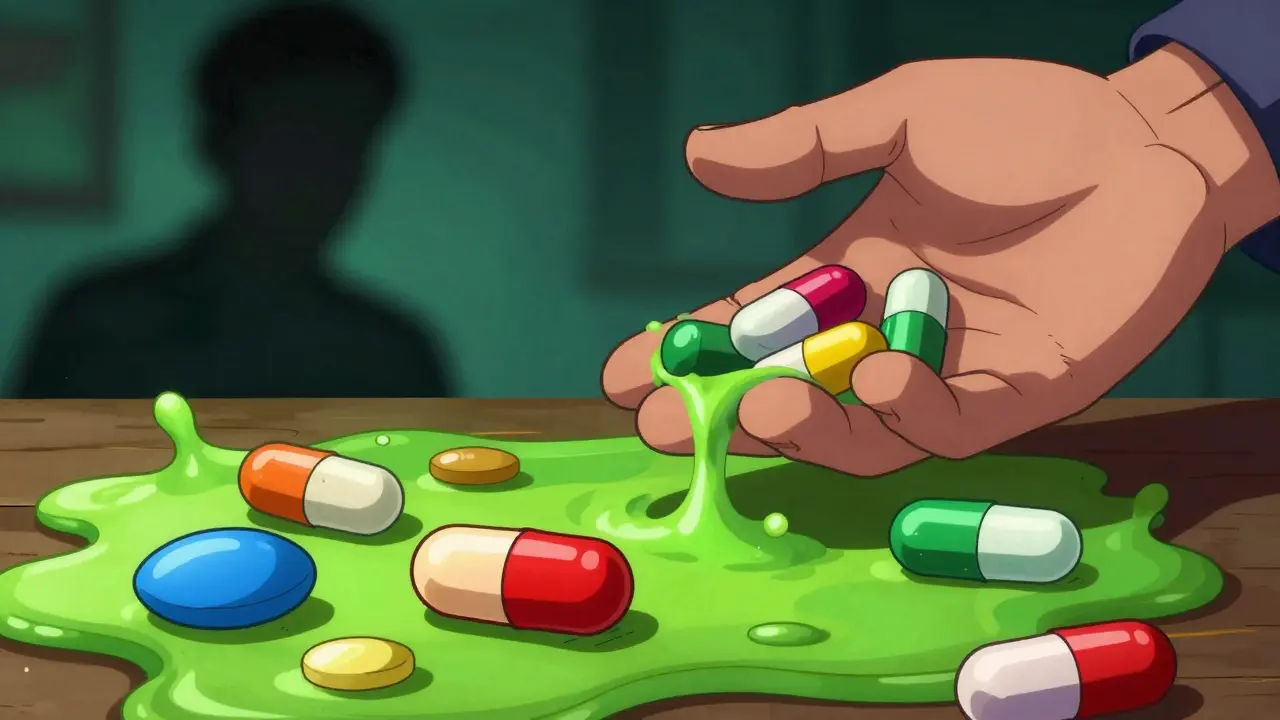
When you buy from an illegal online pharmacy, you are not just getting a fake version of your medicine. You are often getting something entirely different and potentially lethal. The composition of counterfeit pills is unpredictable. They may contain incorrect active ingredients, dangerous contaminants, or toxic substances like industrial chemicals.
The most terrifying trend right now is the inclusion of synthetic opioids. The U.S. Department of Justice indicted individuals in September 2024 for running illegal online pharmacies that distributed millions of counterfeit pills containing fentanyl. Fentanyl is up to 50 times stronger than heroin. A single pill can kill. The DEA seized more than 60 million fentanyl-laced fake pills in 2024. These pills are made to look exactly like legitimate prescriptions for painkillers, anxiety meds, or even ADHD medications. If you order what you think is Xanax or OxyContin from an unverified site, you could be receiving a dose of fentanyl that stops your breathing within minutes.
It’s not just opioids. Counterfeiters target lifestyle treatments too. Recent cases documented by the FDA include:
- Counterfeit alli (orlistat): Discovered at U.S. online retailers in June 2025. Weight loss drugs are popular targets because demand is high and patients are often desperate for results.
- Counterfeit Botox: Found in multiple states in April 2024. People seeking cosmetic injections received unknown substances that caused unexpected reactions or lack of efficacy.
- Counterfeit Ozempic (semaglutide): Identified in December 2023 and June 2023. As weight loss drugs became mainstream, counterfeiters flooded the market with fake versions containing unknown substances.
- Counterfeit Muro 128: An eye treatment alert in April 2023 warned of counterfeit versions that potentially caused ocular damage.
The CDC explicitly warns that individuals ordering medications from illegal online pharmacies are at risk for overdose due to counterfeit pills containing fentanyl and methamphetamine. Dr. Rochelle Walensky, former CDC Director, emphasized that these counterfeit medications represent a 'potential public health risk' requiring immediate attention.
How Criminal Networks Operate Online
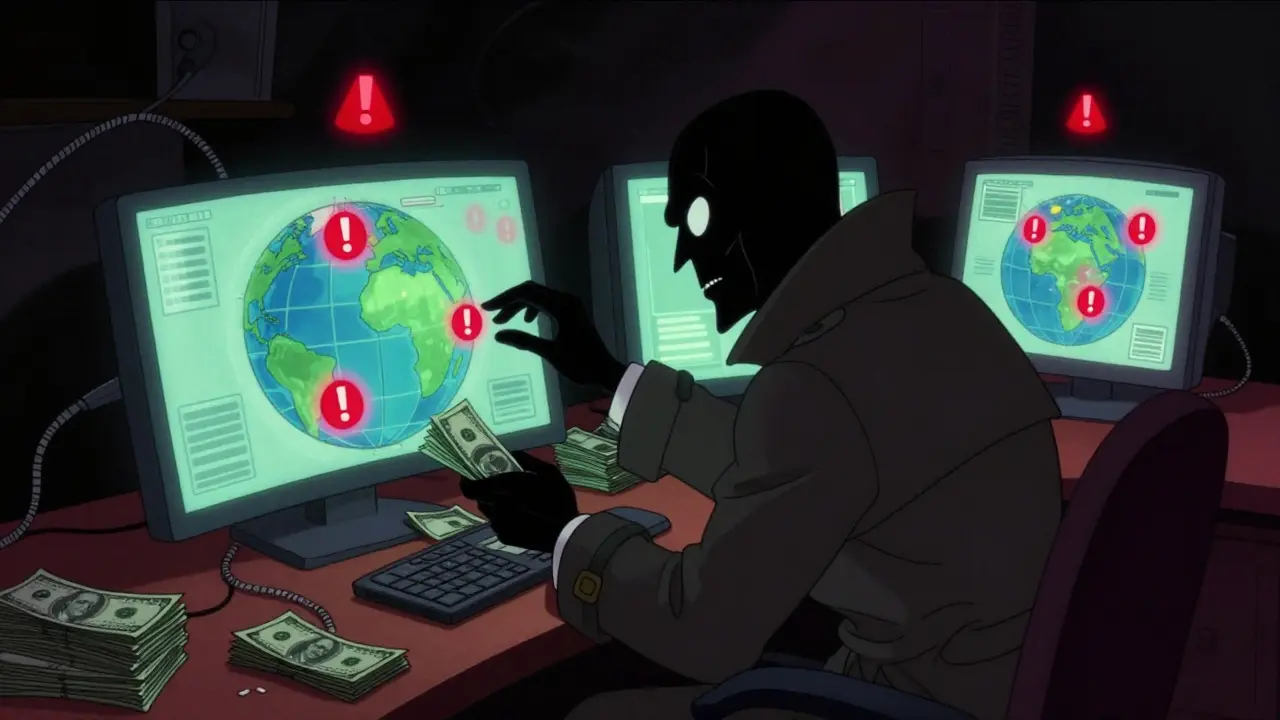
These aren't shady basement operations. They are sophisticated e-commerce platforms. The OECD/EUIPO's March 2020 report details how companies registered in the United States bear the brunt of this illegal trade, accounting for almost 38 percent of all seized counterfeit medicines. Interpol's Operation Pangea XVI in 2025 involved law enforcement from 90 countries, resulting in 769 arrests and the dismantling of 123 criminal groups. They seized 50.4 million doses of unapproved and counterfeit medicines and shut down approximately 13,000 websites and social media pages associated with criminal pharmaceutical activity.
So, how do they fool people? They mimic legitimate e-commerce platforms perfectly. They have professional branding, product navigation systems, shopping carts, and customer reviews. Many of these sites are hosted in jurisdictions with weak enforcement laws, making it hard for regulators to shut them down. The Alliance for Safe Online Pharmacies (ASOP) notes that these operations bypass critical safety protocols by selling medications without prescriptions and distributing drugs without proper oversight or safety warnings.
The key drivers of this illegal trade, according to the OECD, are high profit margins, low risks of detection and prosecution, weak penalties, and the ease with which consumers can be deceived. Mathias Cormann, OECD Secretary-General, highlighted that counterfeit medicines cause economic damage but are also a significant threat to public health. Criminals know that many consumers are embarrassed to talk to doctors, want to avoid insurance copays, or simply don't want to deal with the hassle of a physical pharmacy visit. They exploit these desires.
Legitimate vs. Illicit: Spotting the Difference
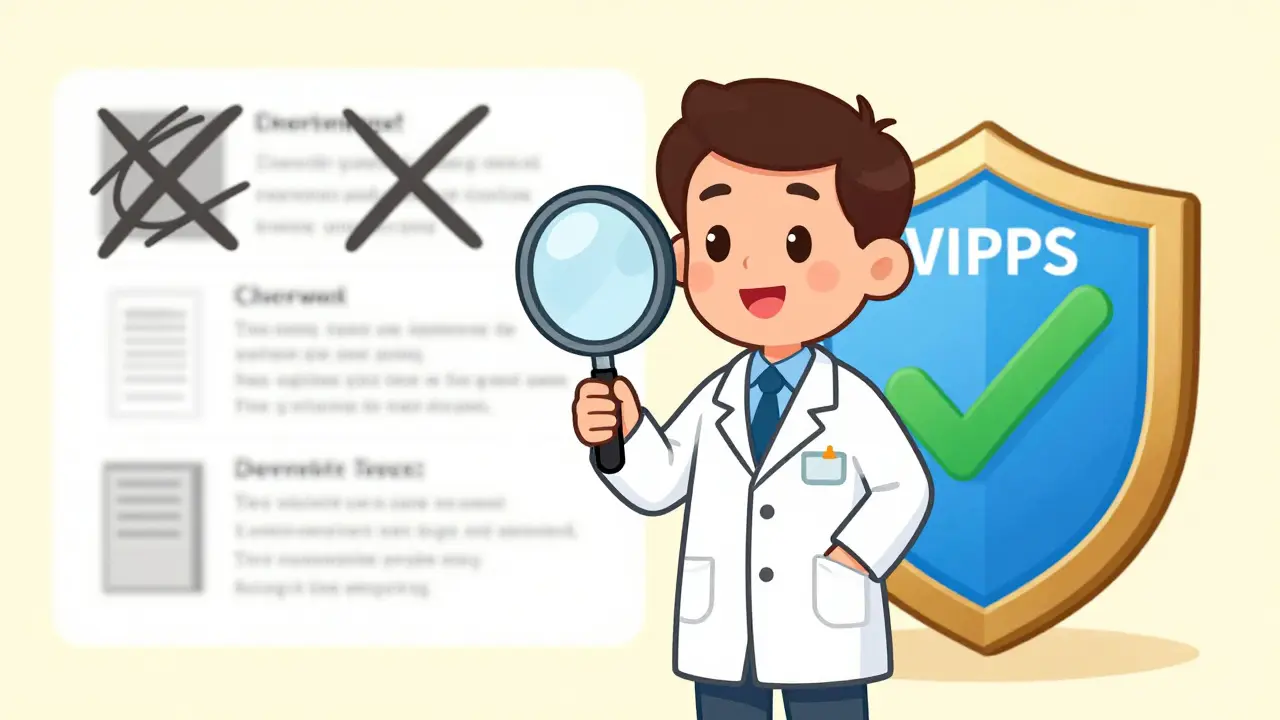
It can be hard to tell the difference between a legitimate online pharmacy and a fraudulent one because the bad guys work so hard to look good. However, there are clear red flags. Legitimate online pharmacies require valid prescriptions, operate under licensed pharmacists, maintain proper storage conditions, and provide comprehensive medication information. Illicit operations bypass all of these safeguards.
The FDA emphasizes that consumers should only take medications prescribed by licensed healthcare providers and dispensed by licensed pharmacies. Here is a simple checklist to verify if an online pharmacy is safe:
- Requires a Prescription: If a site sells prescription drugs without asking for a valid prescription from your doctor, it is illegal. Period. Legitimate pharmacies will ask for a copy of your prescription or contact your doctor directly.
- Licensed Pharmacist Available: A real pharmacy has a licensed pharmacist available for consultation. Look for their name and license number on the site.
- Physical Address and Phone Number: Legitimate pharmacies have a verifiable physical address and a working phone number. Be wary of sites that only offer email or chat support.
- VIPPS Certification: The National Association of Boards of Pharmacy (NABP) runs the VIPPS (Verified Internet Pharmacy Practice Sites) program. Only about 5 percent of online pharmacy websites meet these standards. Check for the VIPPS seal.
- No "Too Good to Be True" Prices: If the price is drastically lower than what you pay at your local pharmacy, it is likely counterfeit. Remember, 96 percent of online pharmacies are illegal. Why would a legal business sell below cost?
The FDA's BeSafeRx program provides specific criteria for identifying legitimate online pharmacies. They recommend checking if the pharmacy operates within the United States and follows state laws. If a site offers to sell you controlled substances like benzodiazepines or stimulants without any interaction with a healthcare provider, run away.
Why Do People Buy From Illegal Sites?
It’s important to understand why people fall for this. It’s rarely because they want to get sick. The primary driver is cost. Healthcare costs are rising, and many people struggle to afford their medications. Insurance copays can be high, and some medications are not covered at all. For someone paying $500 a month for a specialty drug, a site offering it for $50 looks like a miracle. But that miracle is a lie.
Convenience is another factor. Some people live in rural areas with limited access to pharmacies. Others feel embarrassed about certain conditions, like erectile dysfunction or mental health issues, and prefer the anonymity of online shopping. Criminals exploit these feelings of vulnerability. They make it easy and discreet, stripping away the human element of healthcare that ensures safety.
There is also a lack of awareness. Many people don’t realize that 95 percent of online prescription drug sites are illegal. They see a professional-looking website with good reviews (which are often fake) and assume it is legitimate. They don’t know about the fentanyl risk or the potential for toxic contaminants. Education is a critical part of the solution.
What To Do If You Suspect Counterfeit Medicine
If you have bought medication online and suspect it is counterfeit, do not ignore it. Your health is at risk. Look for signs like changes in color, shape, taste, or smell compared to previous doses. If you experience unexpected side effects, seek medical attention immediately.
Report the incident. The FDA recommends reporting suspected counterfeit medicines to their Office of Criminal Investigations. You can also report adverse effects to the MedWatch program. Specific contact information includes email ([email protected]) and phone numbers (855-543-3784 or 301-796-3400). Reporting helps authorities track these criminal networks and prevent others from being harmed.
Pfizer has documented preventing over 302 million counterfeit doses from reaching patients since 2004. This shows the massive scale of consumer exposure. Every report you make adds to the data that helps law enforcement dismantle these operations. Interpol’s Operation Pangea relies on international cooperation and intelligence sharing to take down these groups. Your vigilance matters.
Safer Alternatives for Affordable Medication
If cost is your main concern, there are safer alternatives to risking your life with counterfeit drugs. Talk to your doctor about generic options. Generics are chemically equivalent to brand-name drugs but cost significantly less. Ask about patient assistance programs offered by pharmaceutical companies. Many manufacturers have programs that provide free or discounted medications to eligible patients.
Look into community health centers or sliding-scale clinics. These facilities charge based on your income. You can also use discount cards like GoodRx or SingleCare, which negotiate lower prices with pharmacies. While these savings might not be as dramatic as the fake online sites promise, they are real, legal, and safe. Never compromise on safety for a discount. The cost of treating an overdose or poisoning far exceeds any savings you might have made.
How can I tell if an online pharmacy is legitimate?
A legitimate online pharmacy requires a valid prescription from a licensed healthcare provider, has a licensed pharmacist available for consultation, provides a verifiable physical address and phone number, and is certified by the NABP's VIPPS program. Avoid sites that sell prescription drugs without a prescription or offer prices that seem too good to be true.
What are the dangers of buying counterfeit pills online?
Counterfeit pills may contain incorrect dosages, inactive ingredients, or deadly substances like fentanyl and methamphetamine. They can cause overdose, severe allergic reactions, organ damage, or death. The CDC warns that individuals ordering from illegal online pharmacies are at high risk for overdose due to fentanyl contamination.
Are all online pharmacies illegal?
No, but the vast majority are. According to the USTR and NABP, approximately 95-96 percent of online pharmacies operating worldwide violate legal regulations. Only about 5 percent meet the strict safety and compliance standards set by regulatory bodies like the NABP.
What should I do if I suspect my medication is counterfeit?
Stop taking the medication immediately and seek medical attention if you experience adverse effects. Report the incident to the FDA's Office of Criminal Investigations or the MedWatch program. Provide details about the website and the product to help authorities track and dismantle illegal operations.
Why are weight loss drugs like Ozempic targeted by counterfeiters?
Weight loss drugs like Ozempic have high demand and high profit margins. Criminal organizations target these products because consumers are often eager to buy them quickly and discreetly. Counterfeit versions have been found containing unknown substances that can cause serious health issues.
How much does the counterfeit drug trade cost globally?
The World Health Organization estimates that countries collectively spend an estimated US$ 30.5 billion annually on substandard and falsified medical products. This represents a massive economic burden alongside the severe health consequences for patients.