
Imagine taking a medication that keeps you healthy, but a tiny change in dosage could make you sick. That's the reality with NTI drugs. These medications require precise dosing because small variations in blood levels can cause treatment failure or serious side effects. For patients prescribed drugs like levothyroxine for thyroid issues or warfarin for blood thinning, the question often comes up: should you stay on brand-name versions when generic substitution is allowed? This article breaks down the facts about NTI drugs, what the science says, and what you need to know to make safe decisions.
Key Takeaways
- NTI drugs have a narrow range between effective and toxic doses, making precise dosing critical.
- Generic NTI drugs are usually safe and effective, but some medications like tacrolimus and phenytoin require extra caution during substitution.
- Cost savings with generics can be significant-levothyroxine generics cost 30-85% less than brand-name versions.
- Always consult your healthcare provider before switching, and monitor closely after any change.
- State laws vary on automatic substitution for NTI drugs; some require pharmacist-physician consultation.
What Are Narrow Therapeutic Index (NTI) Drugs?
Narrow Therapeutic Index (NTI) drugs are medications where small differences in dose or blood concentration can lead to serious therapeutic failures or adverse reactions. The U.S. Food and Drug Administration (FDA) defines them as drugs where "small differences in dose or blood concentration may lead to dose and blood concentration dependent, serious therapeutic failures, or adverse drug reactions" (FDA, 2022). Common examples include levothyroxine (brand: Synthroid), warfarin (brand: Coumadin), and tacrolimus (brand: Prograf).
These drugs work within a very tight window. For instance, levothyroxine regulates thyroid hormone levels. Too little won't manage hypothyroidism, while too much can cause heart problems or bone loss. Warfarin prevents blood clots, but excessive levels increase bleeding risk. Tacrolimus suppresses the immune system after organ transplants-too little risks rejection, too much causes kidney damage. This precision is why NTI drugs require careful monitoring and consistent dosing.
How the FDA Regulates Generic NTI Drugs
When the FDA approves a generic drug, it must prove bioequivalence to the brand-name version. For most drugs, this means the generic must deliver the same amount of active ingredient within 80-125% of the brand's concentration. However, for NTI drugs, the FDA uses stricter standards. Since 2014, it applies "scaled" bioequivalence limits based on the drug's variability. For example, some NTI drugs must meet 90-111% limits for absorption rates instead of the standard 80-125% range.
This tighter scrutiny ensures generics for NTI drugs are as consistent as possible. The FDA maintains an internal list of NTI drugs, though it's not publicly available. Experts estimate around 15-20 medications fall into this category. Drugs like phenytoin (an antiepileptic) and digoxin (a heart medication) are among the most commonly recognized NTI drugs. The FDA also requires that generic manufacturers meet the same quality and purity standards as brand-name companies. Despite this, some states have laws that restrict automatic substitution for NTI drugs, requiring doctors to specify "dispense as written" on prescriptions.

Cost Savings with Generic NTI Drugs
Generic NTI drugs typically cost 30-85% less than brand-name versions. For example, levothyroxine generics range from $4 to $15 per month, while brand-name Synthroid costs $30 to $60. Warfarin generics cost $10-$20 monthly versus $30-$50 for Coumadin. Tacrolimus generics run $500-$1,000 per month compared to $1,200-$2,500 for Prograf.
| Drug | Brand Name Example | Generic Cost (Monthly) | Brand Cost (Monthly) | Key Considerations |
|---|---|---|---|---|
| Levothyroxine | Synthroid | $4-$15 | $30-$60 | Most patients switch safely; monitor TSH levels after substitution |
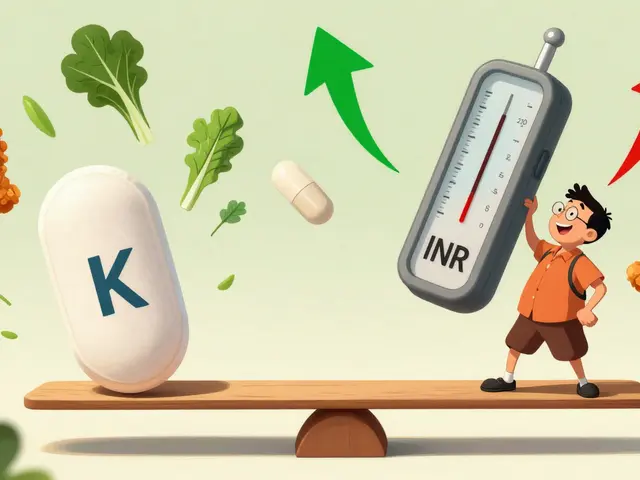
| Warfarin | Coumadin | $10-$20 | $30-$50 | INR monitoring essential; 22% report instability after switching |
| Tacrolimus | Prograf | $500-$1,000 | $1,200-$2,500 | Close therapeutic drug monitoring required; high risk of rejection if levels fluctuate |
| Phenytoin | Dilantin | $20-$40 | $50-$100 | Seizure breakthrough reported in 42% of patients after generic switch |
What Does the Evidence Say About Switching?
Research on generic NTI drugs shows mixed but generally reassuring results. A 2022 FDA-funded study of 17,598 patients found similar rates of therapeutic success between brand and generic levothyroxine. For example, 85% of patients on both versions achieved target thyroid hormone levels. Similarly, a study of over 3.5 million patients showed comparable outcomes for generics and brand-name drugs in chronic conditions like diabetes and hypertension.
However, some NTI drugs present more challenges. Tacrolimus, used after organ transplants, has limited data on bioequivalence between generic versions. Studies show that switching manufacturers for tacrolimus can cause fluctuations in blood levels, requiring close monitoring. For antiepileptic drugs like phenytoin, a 2022 Epilepsy Foundation survey reported 42% of patients experienced seizure breakthrough after switching to generics, though this data is self-reported and not clinically verified.
These variations highlight why NTI drugs need careful handling. While most patients switch safely, some may experience issues due to individual sensitivity or manufacturing differences between generic versions.
Real-World Patient Experiences
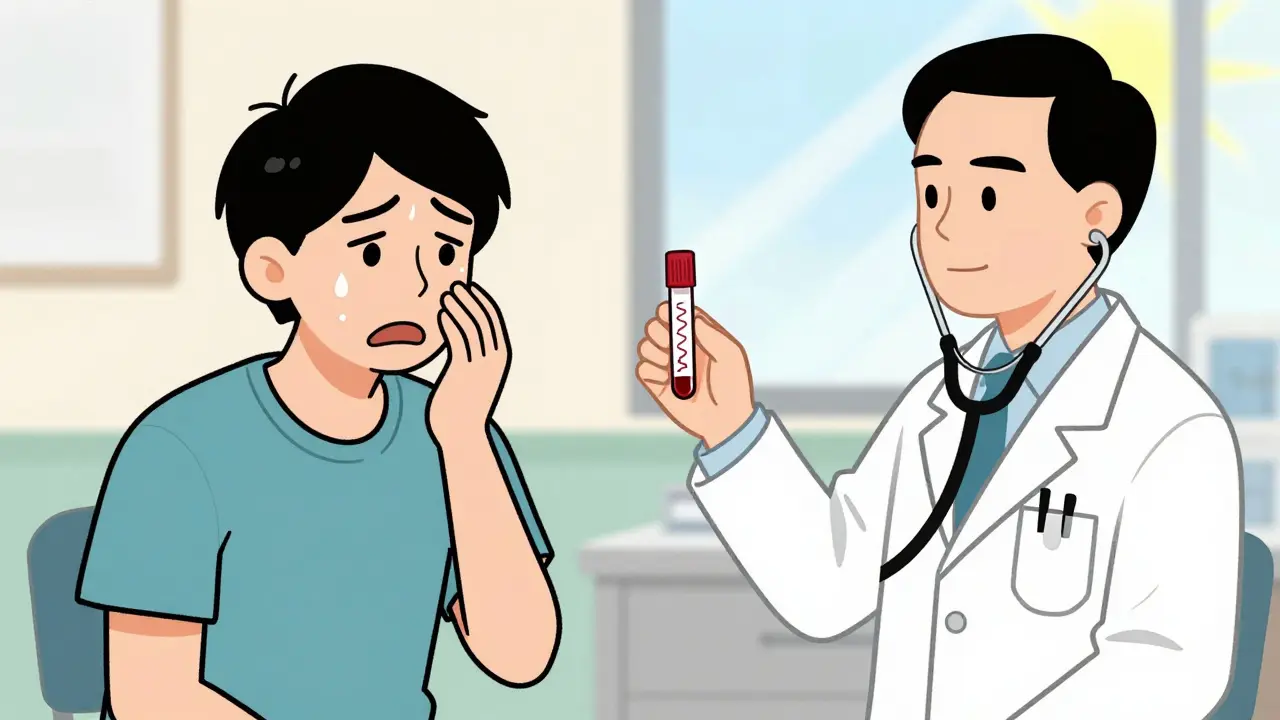
Patients' experiences with NTI drug substitution vary widely. On forums like Reddit's r/Thyroid, many share success stories switching to generic levothyroxine. One user wrote, "I've been on generic levothyroxine for two years with no issues-my TSH levels are stable." However, others report problems: "After switching to generic, I felt exhausted and gained weight. My doctor had to adjust my dose." Studies show about 65% of levothyroxine patients switch successfully, 30% need dose adjustments, and 5% have severe reactions requiring a return to brand-name.
For warfarin, PatientsLikeMe data indicates 78% of users see no issues with generics, but 22% report INR instability. One patient noted, "My INR jumped after switching, and I had to get tested weekly for a month." Tacrolimus users often describe the need for frequent blood tests after switching. A transplant patient shared, "After changing to generic tacrolimus, my levels dropped, and my doctor had to increase the dose to prevent rejection."
What Should You Do If You're Considering a Switch?
If you're prescribed an NTI drug and considering a switch to generic, follow these steps:
- Consult your doctor first. Discuss whether your specific medication and condition make you a good candidate for generic substitution. For example, patients with stable thyroid levels on brand-name levothyroxine might not need to switch.
- Check your state's laws. Twenty-eight states restrict automatic substitution for NTI drugs. Some require pharmacist-physician consultation or patient consent before switching.
- Monitor closely after switching. For most NTI drugs, your healthcare provider will recommend checking blood levels 4-8 weeks after a switch. For warfarin, this means frequent INR tests; for levothyroxine, TSH level checks.
- Stick with the same manufacturer. Once you find a generic version that works, avoid switching between different generic manufacturers. Variations between generic brands can cause issues even if each meets FDA standards.
- Know the signs of trouble. Symptoms like unexplained fatigue, dizziness, or unusual bruising could indicate a problem. Contact your doctor immediately if you notice changes after switching.
What's New in NTI Drug Research?
The FDA recently updated its guidance for NTI drugs, implementing "scaled" bioequivalence limits based on the reference drug's variability. In 2023, it launched the NTI Drug Registry to collect real-world evidence on substitution outcomes. This registry tracks patient data from 15 health systems across the U.S., focusing on drugs like tacrolimus and phenytoin.
The Agency for Healthcare Research and Quality (AHRQ) is funding a $2.4 million study (2023-2025) to compare outcomes between brand and generic NTI drugs in 50,000 patients. Early findings suggest most NTI generics perform safely, but exceptions remain for drugs with extreme pharmacokinetic variability.
Dr. Janet Wright of the American College of Cardiology predicts, "By 2025, evidence will support generic substitution for all NTI drugs except perhaps for a handful with extreme variability." Meanwhile, experts caution that for drugs like phenytoin, maintaining the same manufacturer is still critical for stability.
Frequently Asked Questions
What are narrow therapeutic index (NTI) drugs?
NTI drugs are medications where small differences in dose or blood concentration can cause serious therapeutic failures or adverse reactions. Examples include levothyroxine, warfarin, tacrolimus, and phenytoin. The FDA defines them as drugs where "small differences in dose or blood concentration may lead to dose and blood concentration dependent, serious therapeutic failures, or adverse drug reactions."
Are generic NTI drugs as safe as brand-name versions?
For most NTI drugs, yes. The FDA requires generics to meet strict bioequivalence standards, often tighter than for regular drugs. However, some medications like tacrolimus and phenytoin require extra caution due to limited data on switching between generic manufacturers. Always consult your healthcare provider before switching.
How do I know if my drug is an NTI drug?
Check your prescription label or ask your pharmacist. Common NTI drugs include levothyroxine (for thyroid), warfarin (blood thinner), tacrolimus (transplant immunosuppressant), and phenytoin (antiepileptic). The FDA doesn't publish a public list, but healthcare providers are trained to identify these medications based on their therapeutic range and monitoring requirements.
Can I switch between different generic brands of an NTI drug?
Generally, no. While each generic meets FDA standards, switching between different generic manufacturers can cause variations in blood levels. For example, a 2022 case study on tacrolimus found that changing manufacturers led to dose adjustments in 30% of patients. Stick with one generic manufacturer once you find one that works for you.
What should I do if I experience issues after switching to a generic NTI drug?
Contact your healthcare provider immediately. Symptoms like unexplained fatigue, dizziness, or unusual bruising could indicate a problem. Your provider may order blood tests to check levels (e.g., TSH for levothyroxine, INR for warfarin) and may recommend returning to the brand-name version or a different generic manufacturer.



Comments
Georgeana Chantie
February 5, 2026
Brand-name drugs are the only safe option for NTI meds.
Why trust generics made overseas?
The US makes the best quality. 😠
Carol Woulfe
February 5, 2026
The FDA's approval process for generic NTI drugs is a complete farce.
They're allowing companies to cut corners under the guise of 'scaled bioequivalence.'
Did you know that the FDA's internal list of NTI drugs isn't even public?
That's because they don't want us to know the truth.
Big Pharma is in cahoots with regulators to push these dangerous generics.
They're making billions off brand-name drugs while patients suffer.
I've seen too many cases where patients had severe side effects after switching to generics.
It's a scam.
We need to demand transparency and stricter regulations.
Always choose brand.
The government has been complicit in this for years.
They're prioritizing profits over people.
It's time to wake up and fight back.
This isn't just about money-it's about your life.
We deserve better than this. 💡
Brendan Ferguson
February 6, 2026
As a pharmacist with over a decade of experience, I can confirm that most generic NTI drugs are safe and effective.
However, drugs like tacrolimus require close monitoring after switching.
Always consult your healthcare provider to ensure safety. 💡
jan civil
February 8, 2026
Studies show 85% success with levothyroxine generics.
But for phenytoin, 42% report seizures.
Context matters. 🤔
Jennifer Aronson
February 10, 2026
In Japan, they have stricter regulations for generic NTI drugs.
Their approach is more cautious, which may explain lower adverse events.
It's worth considering international standards. 🌏
Kate Gile
February 10, 2026
This is such an important topic!
Let's all stay informed and work with our doctors to make safe choices.
Knowledge is power! 💪
Gregory Rodriguez
February 12, 2026
Oh sure, let's save a few bucks by risking our health.
Because nothing says 'quality' like a generic version that's 85% cheaper.
What could go wrong? 😂
Johanna Pan
February 12, 2026
Genaric drugs are great for most people,
but for NTI meds, its better to be safe.
In my country we always check with doctors first. 😊
Jenna Elliott
February 14, 2026
Only US-made brand drugs are safe for NTI medications.
Elliot Alejo
February 14, 2026
We need clear guidelines for NTI drug substitutions.
Pharmacies should require doctor approval before switching.
Safety first, always.
Write a comment