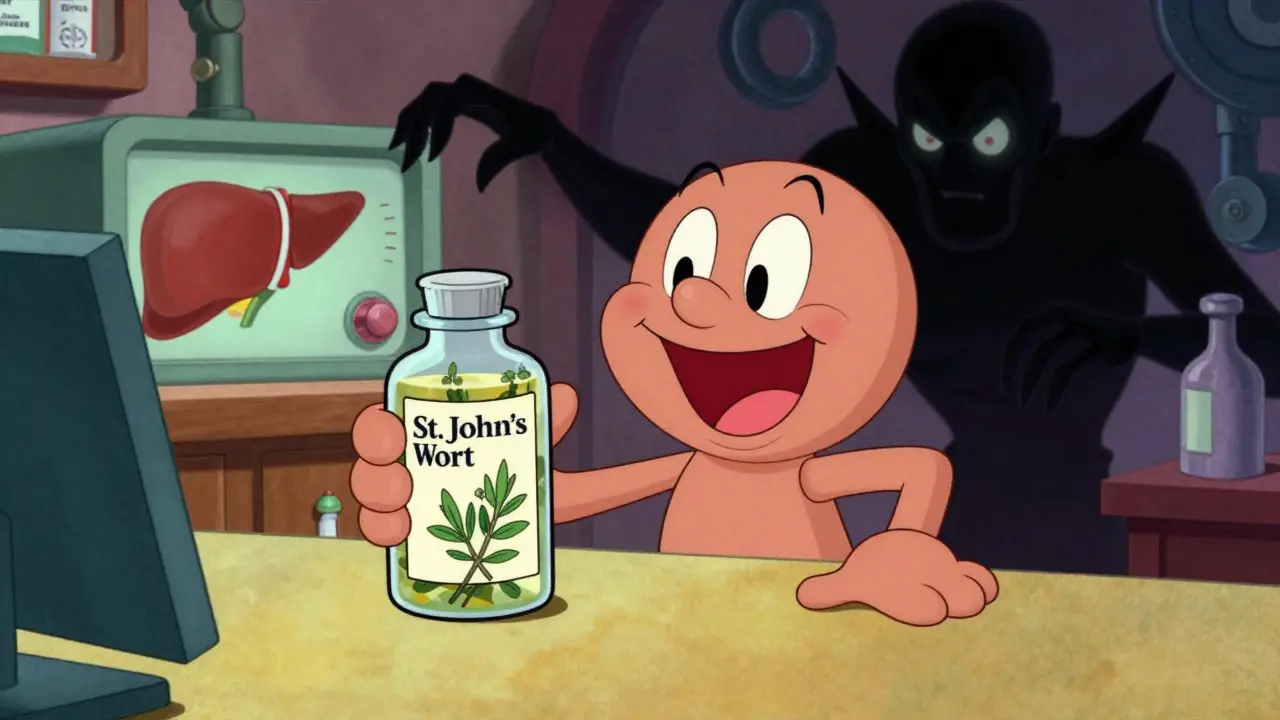
Imagine buying a bottle of herbs at the pharmacy counter, thinking you’re doing something natural and safe for your mood. You pop one in the morning, another at night. It feels harmless. But inside your body, that plant extract is quietly turning up the volume on your liver’s enzymes, speeding up the breakdown of other medications you take. Suddenly, your birth control stops working. Your heart medication loses its grip. Or worse, you end up in the emergency room with a dangerous chemical imbalance.
This isn’t a hypothetical nightmare. This is the reality for many people who use St. John’s Wort, a popular herbal supplement used primarily for mild to moderate depression, without understanding its powerful interaction potential. While it has been used since ancient Greek times and is often seen as a gentle alternative to prescription antidepressants, St. John’s Wort is actually a metabolic powerhouse. It doesn’t just sit there; it actively changes how your body processes other drugs.
Why St. John’s Wort Is Different From Other Herbs
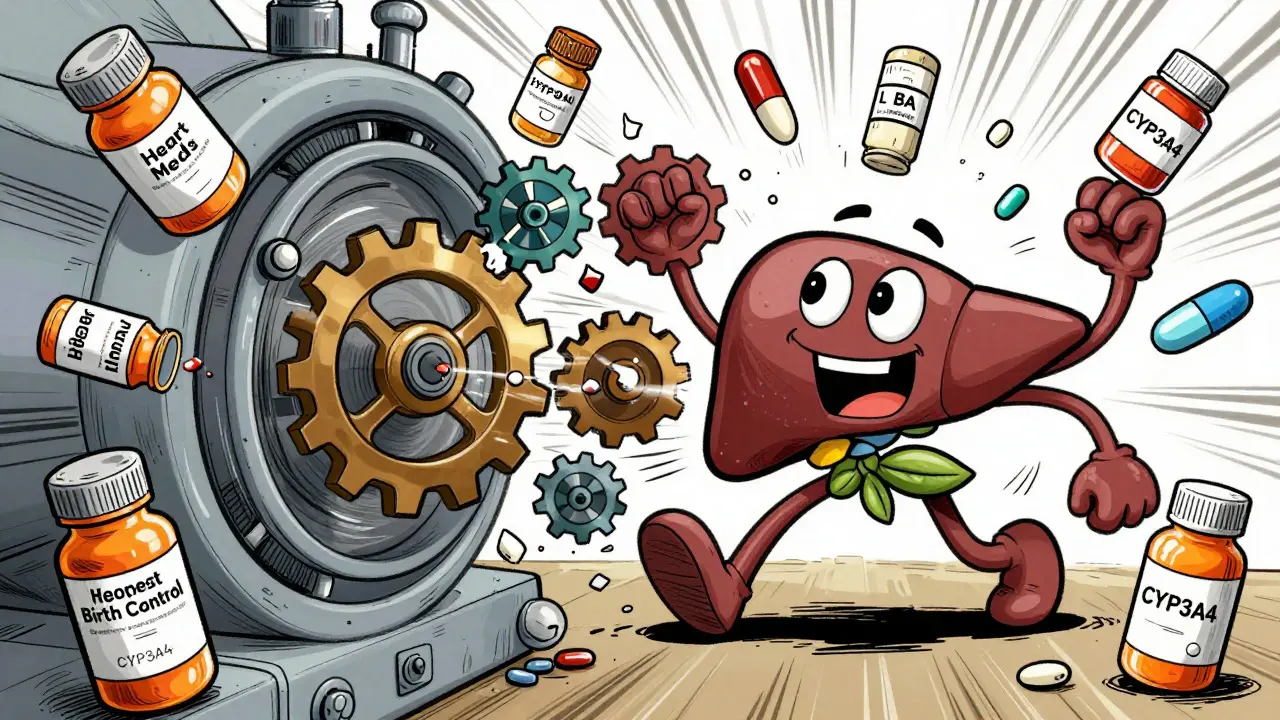
Most herbal supplements are relatively inert when it comes to your metabolism. They might have side effects like stomach upset or drowsiness, but they rarely mess with the machinery that breaks down pharmaceuticals. St. John’s Wort is an exception. The key player here is a compound called hyperforin. Think of hyperforin as the engine oil that makes the machine run faster.
When you take St. John’s Wort, hyperforin activates a receptor in your liver called the pregnane-X-receptor (PXR). This activation triggers a chain reaction that boosts the production of cytochrome P450 enzymes, specifically CYP3A4, and increases P-glycoprotein transport systems. In plain English? Your liver starts burning through medications much faster than usual. A study published in the journal *Drug Metabolism and Disposition* found that standardized extracts containing 3-5% hyperforin can double or even triple CYP3A4 activity within just two weeks. If your medication relies on steady blood levels to work, this speed bump can be catastrophic.
The High-Risk Medication Classes
Not all drugs are affected equally, but several major classes carry serious risks. If you are taking any of the following, you need to talk to your doctor before adding St. John’s Wort to your routine.
| Medication Class | Specific Drugs | Interaction Effect | Potential Consequence |
|---|---|---|---|
| Blood Thinners | Warfarin, Phenprocoumon | Decreased INR values | Increased risk of blood clots or stroke |
| Immunosuppressants | Cyclosporine, Tacrolimus | Reduced drug concentrations by 50-60% | Organ transplant rejection |
| HIV Protease Inhibitors | Indinavir, Ritonavir | Reduced efficacy by up to 99% | Treatment failure, drug resistance |
| Oral Contraceptives | Ethinyl estradiol, Levonorgestrel | Reduced hormone absorption | Unintended pregnancy |
| Antidepressants | SSRIs, SNRIs, MAOIs | Excessive serotonin accumulation | Serotonin syndrome (life-threatening) |
Blood Thinners: The Silent Threat
If you take warfarin or phenprocoumon, your doctor monitors your INR (International Normalized Ratio) to ensure your blood thins enough to prevent clots but not so much that you bleed out. St. John’s Wort disrupts this balance. Between 1998 and 2000, European authorities recorded 22 cases where patients experienced unstable INR levels after starting the herb. In one documented case, a patient’s INR dropped from 2.8 to 1.4 in just seven days. That drop means their blood was clotting too fast, putting them at immediate risk for a stroke or heart attack.
Transplant Patients: A Race Against Rejection
For organ transplant recipients, immunosuppressants like cyclosporine and tacrolimus are life-saving. They keep the immune system from attacking the new organ. St. John’s Wort accelerates the breakdown of these drugs. A 2004 study showed a 54% decrease in cyclosporine levels in kidney transplant patients who added the herb. Two of those ten patients suffered acute transplant rejection. The European Medicines Agency issued specific warnings about this interaction because the stakes are literally life and death.
HIV Medications: Fueling Resistance
Protease inhibitors like indinavir require consistent high levels in the bloodstream to suppress the HIV virus. St. John’s Wort can slash these levels by more than half. One study found a mean reduction of 57% in drug exposure. When drug levels fall below therapeutic thresholds, the virus replicates freely. This not only leads to treatment failure but also encourages the development of drug-resistant strains of HIV, making future treatment much harder.
Birth Control: The Hidden Pregnancy Risk
You might think birth control pills are foolproof, but St. John’s Wort can undermine them. Research published in *Contraception* showed significant reductions in ethinyl estradiol and levonorgestrel absorption. Real-world data backs this up: the Swedish Medical Products Agency documented 47 cases of contraceptive failure linked to the herb between 2000 and 2003, including 12 confirmed pregnancies. If you rely on oral contraceptives, this interaction could change your life unexpectedly.
The Danger of Serotonin Syndrome
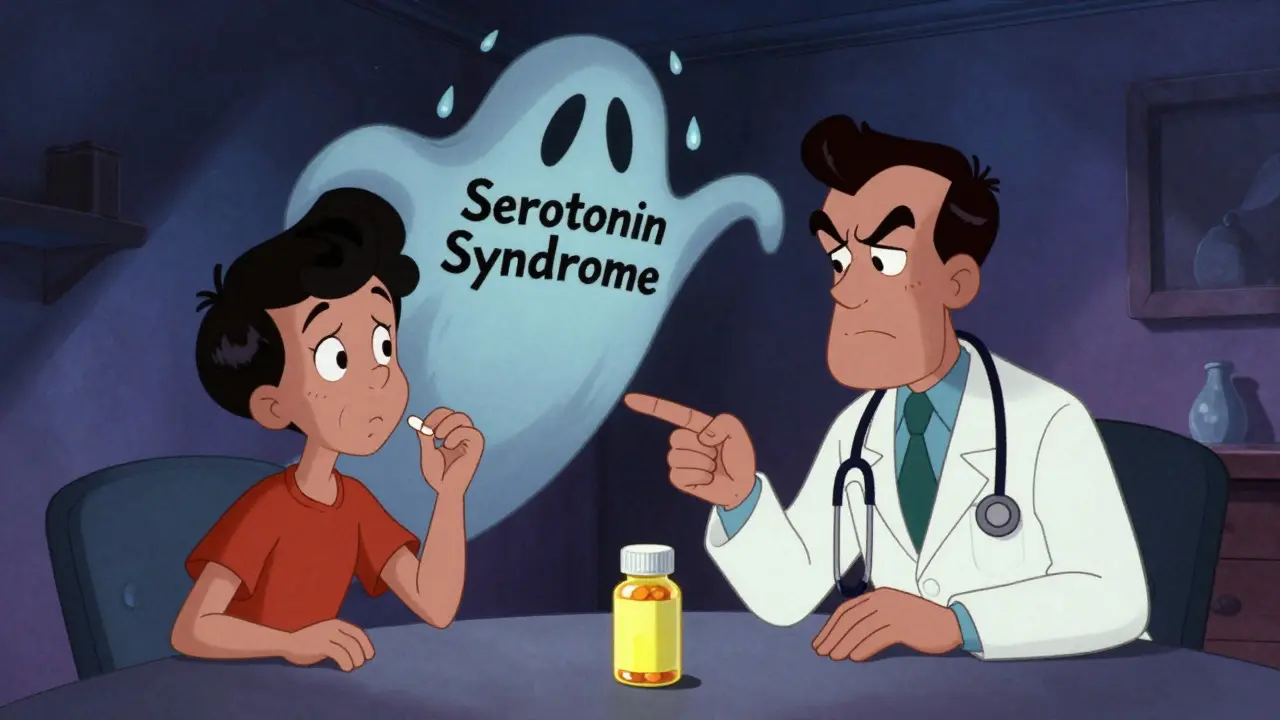
While most interactions involve St. John’s Wort making other drugs less effective, combining it with certain antidepressants creates the opposite problem: too much serotonin. This condition is known as serotonin syndrome, and it can be fatal if untreated.
St. John’s Wort works partly by inhibiting the reuptake of serotonin, similar to SSRIs like fluoxetine or sertraline. If you take both, you flood your brain with serotonin. Symptoms include:
- Abnormal sweating (seen in 89% of cases)
- Rapid heart rate over 100 bpm (76% of cases)
- Muscle spasms and rigidity (63% of cases)
- Confusion and agitation (92% of cases)
In severe cases, patients develop high fever, seizures, and irregular heartbeat. An 18-year-old man reported by Poison Control in 2021 developed paranoid behavior and a heart rate of 128 bpm after mixing St. John’s Wort with 5-HTP and melatonin. He required IV fluids and benzodiazepines to stabilize. If you are already on an SSRI, SNRI, or MAOI, do not add St. John’s Wort without medical supervision.
Other Notable Interactions
It’s not just the big three categories. St. John’s Wort affects other common medications too:
- Anxiety meds: It can reduce alprazolam (Xanax) effectiveness by 40%, leaving anxiety uncontrolled.
- Heart failure drugs: Digoxin levels can drop by 25%, reducing its ability to regulate heart rhythm.
- Seizure meds: Phenytoin levels may fall by up to 46%, increasing the risk of breakthrough seizures.
What Should You Do?
First, stop assuming “natural” means “safe.” St. John’s Wort is potent. Second, always disclose your supplement use to your healthcare provider. Many people forget to mention herbs during appointments, but pharmacists and doctors need this information to adjust doses or choose safer alternatives.
If you want to switch from prescription antidepressants to St. John’s Wort, don’t just stop one and start the other. The American Psychiatric Association recommends waiting at least 14 days between discontinuing prescription antidepressants and starting the herb to minimize the risk of serotonin syndrome. Conversely, if you stop St. John’s Wort, remember that its enzyme-inducing effects can linger for up to two weeks. Your other medications may suddenly become too strong, leading to toxicity.
Regulatory bodies are catching up. The FDA has issued warning letters to manufacturers for inadequate labeling, and new rules require prominent "Drug Interaction Alert" symbols on labels starting in 2025. However, awareness among consumers remains low. Only 32% of supplement users know about the birth control risk, according to a 2023 survey. Don’t let lack of knowledge put you at risk.
Emerging Solutions
Researchers are exploring hyperforin-free extracts of St. John’s Wort. These modified versions aim to retain antidepressant benefits while minimizing enzyme induction. Early trials show promise, with significantly reduced interaction risks compared to standard extracts. Until these products become widely available and fully regulated, stick to established guidelines and prioritize safety over convenience.
Can I take St. John’s Wort with ibuprofen?
Generally, yes. Ibuprofen is not heavily metabolized by CYP3A4, so the interaction risk is low. However, always check with your pharmacist, especially if you take multiple medications daily.
How long does it take for St. John’s Wort to interact with other drugs?
The enzyme-inducing effects typically begin within 7 to 14 days of regular use. This means interactions won’t happen immediately but will build up over time.
Is St. John’s Wort safe for everyone?
No. It is particularly risky for people taking blood thinners, transplant medications, HIV drugs, oral contraceptives, or antidepressants. Even healthy individuals should consult a doctor before starting.
Does stopping St. John’s Wort reverse the interactions?
Yes, but slowly. The increased enzyme activity can persist for up to two weeks after you stop taking the supplement. During this washout period, your other medications may become more potent.
Are all St. John’s Wort brands equally risky?
Risk varies by preparation. Extracts with higher hyperforin content (typically ethanol-based) induce enzymes more strongly than CO2 extracts. Look for standardized labels indicating hyperforin percentage.