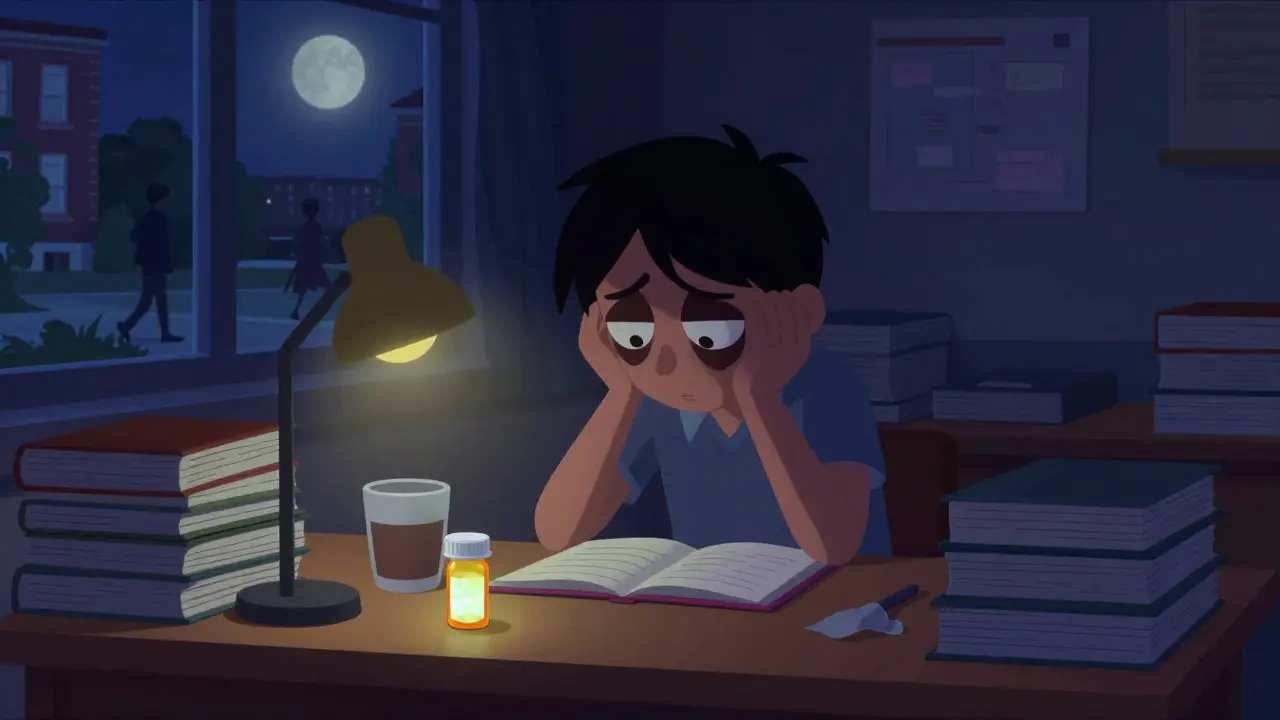
You are likely managing more stress, less sleep, and tighter deadlines than you ever have before. For many college students and young adults, this pressure cooker environment makes the prevention of prescription drug misuse, proper storage, and disposal practices feel like an afterthought. Yet, the risk is real. Young adults aged 18 to 25 misuse prescription drugs at higher rates than any other age group, with stimulants accounting for 75 percent of all reported cases. Understanding how to keep your meds safe-and keeping others' meds out of your routine-is not just about following rules; it’s about protecting your long-term health and academic performance.
Why College Campuses Are High-Risk Zones
The campus environment creates a perfect storm for medication errors and misuse. Academic pressure is the primary driver, but it isn't the only factor. Erratic sleep schedules and a social culture that often normalizes 'borrowing' pills contribute significantly. According to data from the National Survey on Drug Use and Health (NSDUH), over 28.1 percent of college-aged young adults have misused some type of prescription psychotherapeutic drug at least once in their lifetime. This isn't just a niche problem; it's a widespread public health concern affecting millions of full-time students.
Stimulants, such as Adderall, are the most frequently misused class, followed by pain relievers and sedatives. The danger lies in the perception that because these are prescription drugs, they are inherently safe if used without a doctor's specific guidance for *your* condition. In reality, taking someone else's Adderall can lead to heart and blood vessel problems, psychiatric issues, and dependence. Emergency room visits among college-aged young adults related to stimulant misuse increased threefold between 2005 and 2010, highlighting the physical toll of casual use.
Understanding the Types of Medication Risks
Not all medication risks look the same. To stay safe, you need to distinguish between three main categories of danger: misuse, improper storage, and poor disposal.
- Nonmedical Use: Taking a medication for a purpose other than what it was prescribed for, or taking it in a different way than directed. This is most common with stimulants used for studying or sedatives used for partying.
- Improper Storage: Leaving medications accessible to peers, roommates, or younger siblings. About 60 percent of misused prescription drugs on campuses are obtained directly from friends or classmates.
- Poor Disposal: Throwing unused meds in the trash or flushing them down the toilet. This leads to environmental contamination and increases the chance that someone else will find and use them.
Each of these risks has a solution, but they require active management. You are the first line of defense for your own medication cabinet.
Practical Steps for Safe Storage and Disposal
Proper storage is simpler than you might think, but consistency is key. If you take daily medications, whether for ADHD, anxiety, or chronic pain, treat them like cash-securely.
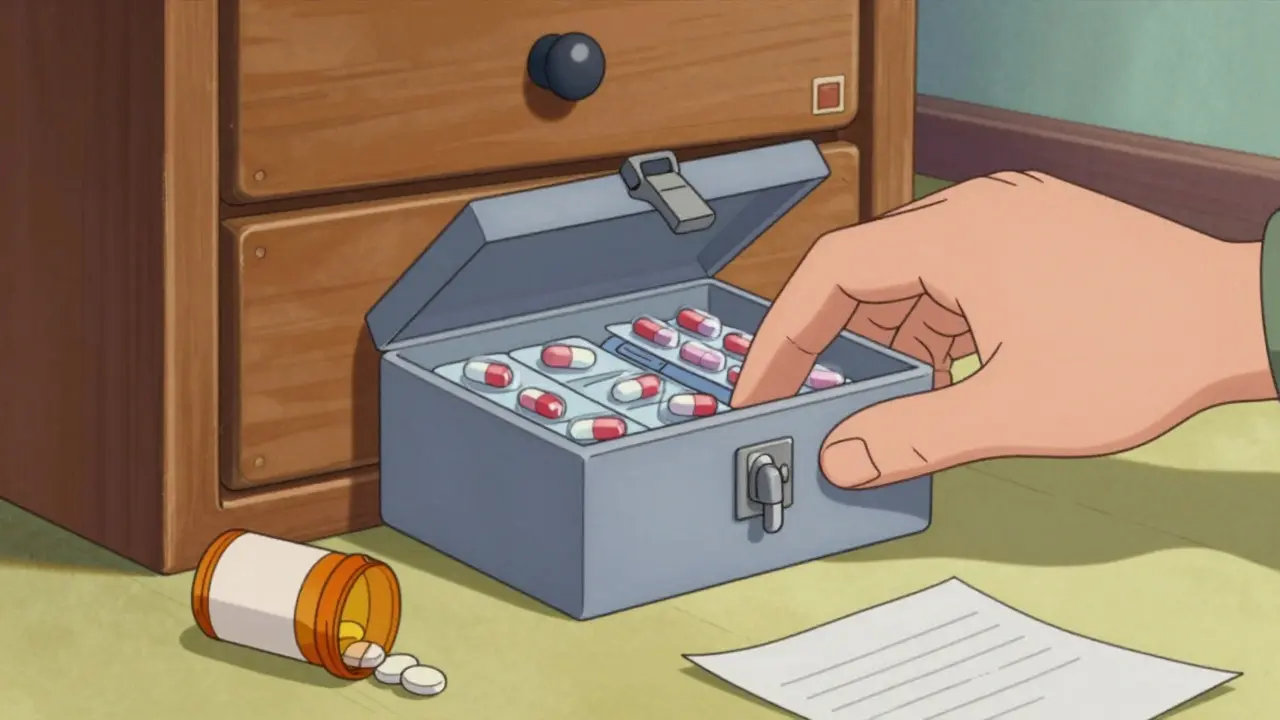
- Use a Lock Box: Many universities now provide lock boxes in dorms or residence halls. If yours doesn't, buy a small combination lock box. It prevents accidental sharing and keeps track of your supply.
- Keep a Log: Write down when you refilled your prescription and how many pills you have. This helps you notice if pills are missing, which could indicate theft or loss.
- Dispose Properly: Do not flush most medications unless specifically instructed by the FDA. Instead, look for drug take-back kiosks on campus. Only 29 percent of students can identify where these are located, so check your student health center website or ask a pharmacist.
If you don't have access to a kiosk, mix old meds with unpalatable substances like coffee grounds or cat litter in a sealed bag before throwing them in the trash. This reduces the likelihood of recovery and reuse.
Navigating Peer Pressure and Social Norms
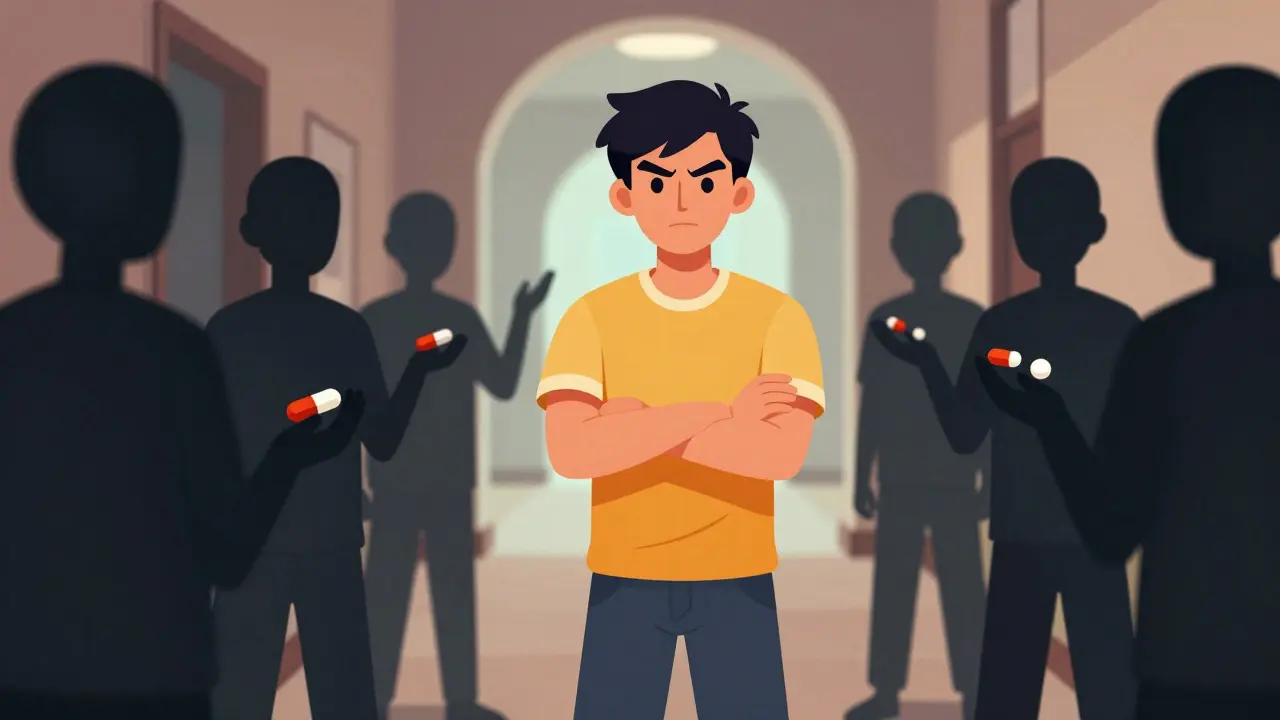
The hardest part of medication safety is often social. If your roommate offers you their leftover Vicodin for a headache, or a classmate shares their Adderall before finals, it feels harmless. But 'borrowing' is a slippery slope. Research shows that almost two-thirds of college seniors will be offered prescription stimulants for nonmedical use during their college career.
How do you say no? Start by recognizing that the source matters. If a friend says, "It's just one pill," they are minimizing the risk. Ask yourself: Does this person have a diagnosis for the condition I'm treating? Do they know my medical history? Probably not. A simple script works well: "My doctor said I shouldn't share, so I'll stick to my plan." You don't need to argue; you just need to set a boundary.
Also, watch out for the 'candy' effect. When pills are passed around casually, they lose their status as medicine and become recreational items. This normalization is why interventions often fail-they target the behavior but not the culture. Be mindful of the rooms you spend time in and the habits you adopt around study sessions.
When to Seek Help: Signs of Trouble
Sometimes, even with good intentions, things go wrong. Knowing the signs of medication issues can help you intervene early, either for yourself or a friend.
- Physical Symptoms: Increased heart rate, high blood pressure, insomnia, or significant weight loss can signal stimulant overuse. Drowsiness, confusion, or slowed breathing may indicate sedative or opioid issues.
- Behavioral Changes: Withdrawal from social activities, sudden changes in sleep patterns, or hiding medications are red flags.
- Academic Decline: Ironically, while stimulants are used to boost grades, long-term misuse often leads to burnout and decreased performance due to sleep deprivation and anxiety.
If you or a friend show these signs, visit your campus health center. They offer confidential consultations and can connect you with specialists. Remember, seeking help is a sign of strength, not weakness. Over 300 colleges have adapted the SAMHSA 'Talk. They Hear You.' campaign to make these conversations easier and less stigmatized.
Resources and Tools for Students
You don't have to navigate this alone. Your university likely has resources specifically designed for medication safety. Here is what to look for:
| Resource Type | What It Offers | Best For |
|---|---|---|
| Campus Health Center | Confidential consultations, prescriptions, and referrals | Diagnosing issues, getting proper prescriptions |
| Drug Take-Back Kiosks | Secure disposal of expired or unused meds | Clearing out old cabinets safely |
| Peer Support Programs | Group discussions, workshops, and advocacy | Reducing stigma, learning coping strategies |
| Online Portals | Scheduling appointments, viewing records, messaging providers | Convenience, quick questions |
Additionally, check if your school participates in programs like 'Safe Meds' or 'Wolverine Wellness.' These initiatives often include free lock boxes, educational workshops, and direct access to pharmacists who can answer specific questions about your medications.
Frequently Asked Questions
Is it safe to share prescription medication with a friend?
Generally, no. Prescription medications are dosed based on individual body weight, metabolism, and existing health conditions. What works for your friend might cause adverse reactions in you. Sharing also violates pharmacy laws in many states and removes accountability for proper usage.
Where should I dispose of old prescription pills?
The best option is a designated drug take-back kiosk, often found at pharmacies or campus health centers. If none are available, mix the pills with coffee grounds or cat litter, seal them in a bag, and throw them in the household trash. Avoid flushing unless the FDA specifically lists the drug as safe to flush.
What are the signs of stimulant misuse?
Common signs include rapid heartbeat, high blood pressure, irritability, anxiety, insomnia, and significant weight loss. Behavioral changes like withdrawal from friends or neglecting hygiene are also indicators. If these persist, seek professional evaluation.
How can I prevent medication theft in my dorm?
Use a lockable box or cabinet for storing all medications. Keep a written log of your supply count. Be cautious about leaving bags open in common areas. Educate your roommates about the importance of privacy regarding personal health items.
Does insurance cover treatment for prescription drug misuse on campus?
Most university health plans now cover basic counseling and medication-assisted treatment for substance use disorders. Coverage varies by institution, so check your student handbook or speak with the billing office at your campus health center to understand your specific benefits.