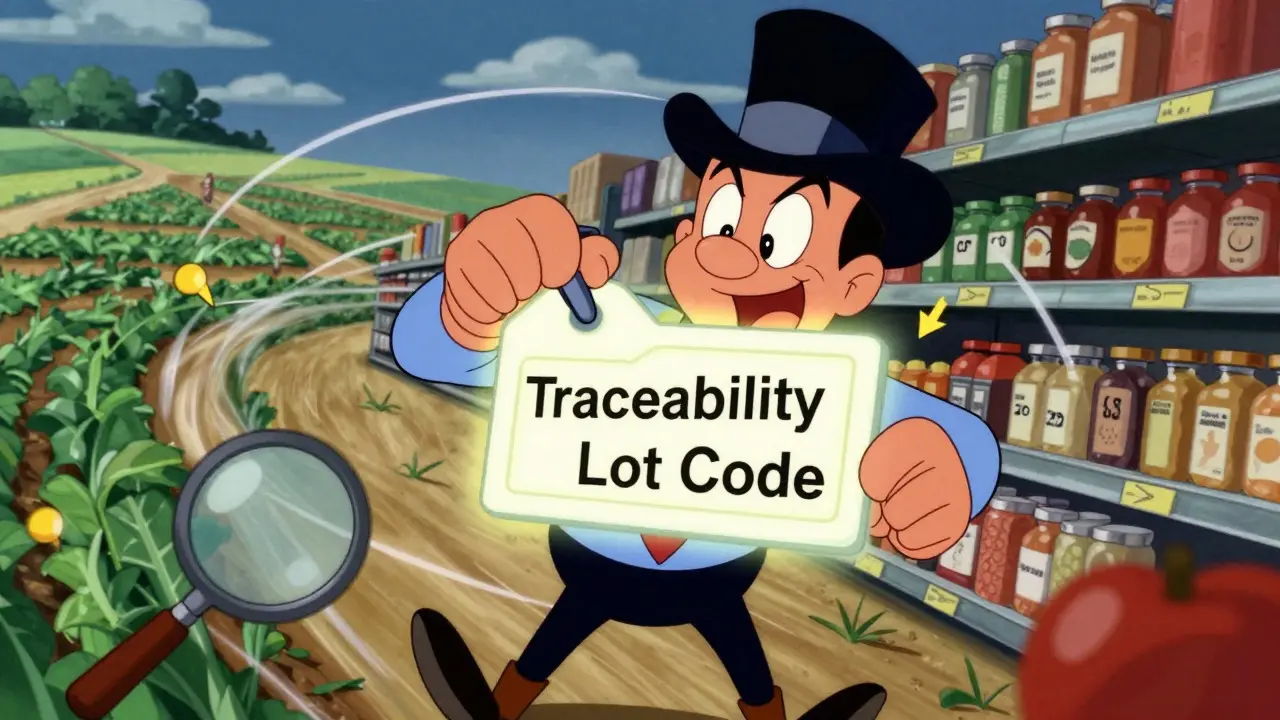
Imagine a salmonella outbreak linked to spinach. In the past, investigators spent weeks chasing invoices and shipping manifests to find which farm shipped the bad leaves. Today, thanks to the Traceability Lot Code (TLC), that process can happen in hours. The TLC is a unique alphanumeric identifier assigned to specific batches of high-risk foods under the FDA’s Food Safety Modernization Act (FSMA) Rule 204. It acts as the digital fingerprint for a product, linking every step from the farm to your grocery store shelf.
This system isn't just about paperwork; it's a structural change in how we monitor food safety. By standardizing how lot numbers are created and shared, the FDA aims to cut trace-back times from weeks to near real-time. For consumers, this means faster recalls and fewer sick days. For businesses, it means a clear, mandatory framework for identifying problem batches before they reach the public eye.
What Is a Traceability Lot Code?
A Traceability Lot Code is a descriptor, often alphanumeric, used to uniquely identify a traceability lot within the records of the firm that assigned it. Unlike internal quality control codes that might only make sense inside one company, the TLC must be understandable across the entire supply chain. Think of it as a universal ID card for a specific batch of food.
The code itself can be flexible. Companies can use Julian dates combined with product codes, randomized strings, or even their existing internal lot numbers, provided they meet specific criteria. The key requirement is uniqueness. If two different facilities use the same code for different products, the system breaks. This is why the FDA requires firms to document their coding methodology in their Traceability Plan, ensuring that when an investigator asks for data, the answer is consistent and verifiable.
When Does the Code Get Assigned?
You don’t assign a TLC at every single touchpoint. That would create too much noise. Instead, the rule specifies three critical moments where a new TLC must be generated:
- Initial Packing: When raw agricultural commodities (like leafy greens or tomatoes) are first packed by a grower or processor.
- First Land-Based Receiving: Specifically for seafood caught on fishing vessels, the code is assigned when the catch arrives at a land-based facility.
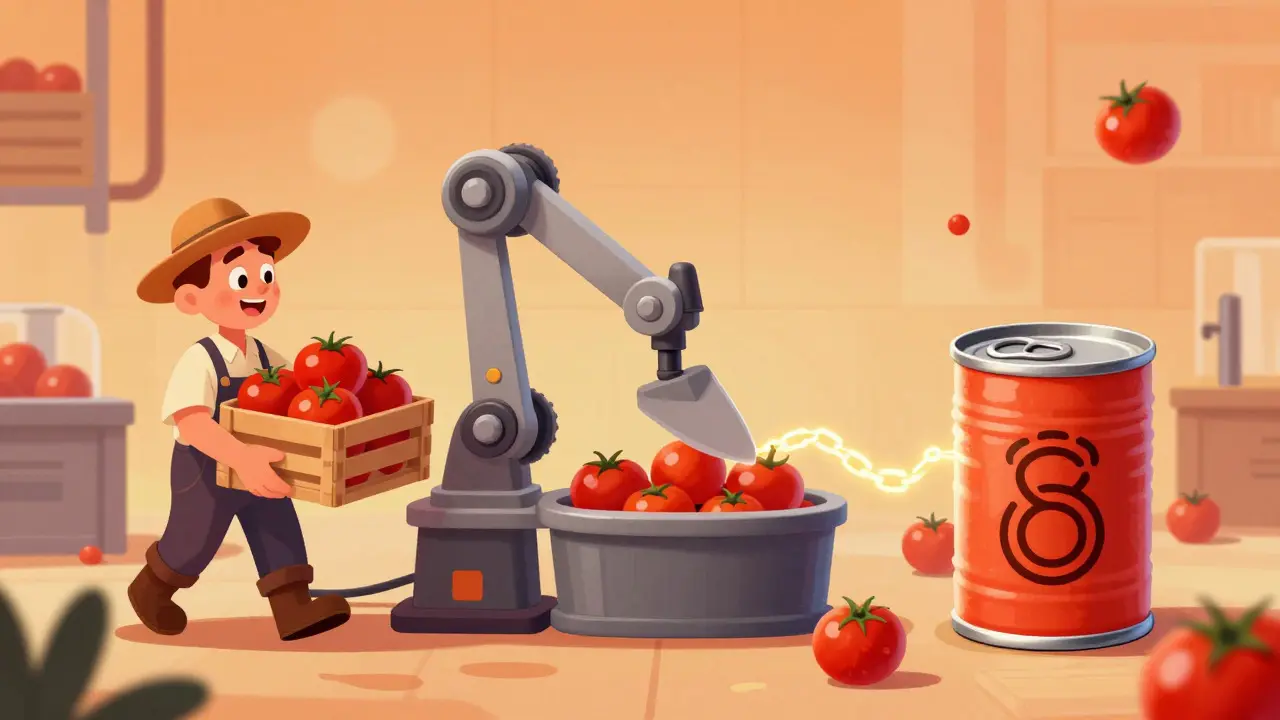
- Transformation: Whenever a food’s physical state or packaging changes significantly. For example, if whole tomatoes are chopped and canned, the new canned product gets a new TLC, but it must link back to the original tomato lot code.
This structure prevents "code explosion" while still capturing the essential lineage of the product. It ensures that if a problem is found in the final jar of salsa, you can trace it back to the specific field where the peppers were harvested, not just the factory that bottled them.
Connecting the Dots: Key Data Elements
A lot number alone doesn’t tell you much. To identify a problem batch, the TLC must be paired with seven other Key Data Elements (KDEs). These KDEs provide the context needed to locate the physical product.
| Data Element | Purpose | Example Value |
|---|---|---|
| TLC Source | Physical location where the code was assigned | Farm A, Fresno, CA |
| Product Description | Common name and variety of the food | Romaine Lettuce, Iceberg |
| Quantity | Amount of product in the lot | 500 cases |
| Unit of Measure | Standard unit for the quantity | Cases |
| Transaction Date | Date the lot was shipped/received | 2026-08-15 |
During an investigation, the FDA can request these records within 24 hours. Electronic record-keeping is encouraged because it allows for quick sorting and export. If you’re using manual systems, make sure your files are organized so you can pull the right data fast. Delays here are what turned small outbreaks into major crises in the past.
How This Differs From Old Systems
Before FSMA 204, lot tracking was voluntary and inconsistent. Some companies tracked by pallet, others by case, and many didn’t share data beyond their immediate partners. The Produce Traceability Initiative (PTI) helped, but it wasn’t mandatory. The TLC system changes the game by making end-to-end traceability a legal requirement for specific high-risk foods.
It also differs from pharmaceutical tracking. Under the Drug Supply Chain Security Act (DSCSA), drugs are tracked at the individual package level using serial numbers. Food is tracked at the lot level. This distinction matters because food is consumed quickly and often mixed, whereas drugs have longer shelf lives and stricter individual accountability. The TLC focuses on the batch, which is practical for perishable goods.
Which Foods Are Covered?
Not every food item needs a TLC. The rule applies to items on the Food Traceability List (FTL), which accounts for about 15% of the U.S. food supply by volume but represents a disproportionate risk of outbreaks. High-risk categories include:
- Leafy greens (spinach, lettuce, kale)
- Tomatoes (fresh and processed)
- Onions
- Fresh-cut fruits and vegetables
- Cheeses (hard and soft)
- Eggs (shell eggs and liquid egg products)
- Nut butters (peanut, almond, etc.)
- Certain seafood (shrimp, oysters, etc.)
If you handle any of these, you’re likely in scope. Check the official FTL list regularly, as the FDA has hinted at adding melons and certain ready-to-eat foods in future updates.

Implementation Challenges and Tips
Compliance was originally set for January 2026, but the FDA proposed extending it to July 2028 to give industry more breathing room. Still, early movers are seeing benefits. A survey by the United Fresh Produce Association found that 78% of member companies had already modified their systems, with an average cost of $42,500 per company.
Here’s how to approach implementation without breaking the bank:
- Audit Your Current Codes: Can your existing lot numbers serve as TLCs? If they’re unique and passed through the supply chain, you might not need new software.
- Map Your Critical Tracking Events: Identify exactly where you pack, receive, or transform FTL foods. Mark these points on your workflow diagrams.
- Choose Your Tech Stack: Large firms often modify ERP systems (72% do this). Smaller players might use specialized traceability software or even well-organized spreadsheets for now.
- Train Your Team: The biggest hurdle isn’t tech; it’s people. Ensure warehouse staff know how to scan, label, and log data correctly.
Remember, the goal isn’t perfection; it’s speed. A simple system that works consistently beats a complex one that fails during an audit.
Frequently Asked Questions
Do I need a new barcode for my Traceability Lot Code?
No. You can use existing barcodes if they encode the TLC. However, the data behind the barcode must include all required Key Data Elements. Many companies use GS1 standards to ensure interoperability with partners.
What happens if I fail to provide records within 24 hours?
While the rule emphasizes speed, penalties are usually tied to negligence or intentional obstruction. However, slow response times delay recalls, leading to higher liability costs and potential FDA enforcement actions. Being prepared is cheaper than being penalized.
Does the TLC replace my internal quality control lot numbers?
Not necessarily. You can use your internal QC lot number as the TLC if it meets the requirements. If you keep separate codes, ensure the linkage between them is documented and easily retrievable to avoid confusion during investigations.
Is blockchain required for compliance?
No. Blockchain is optional. The FDA accepts any electronic or paper system that meets the data requirements. Blockchain offers immutability and transparency, which some large retailers prefer, but it’s not a regulatory mandate.
How does this affect small farms?
Small businesses qualify for technical assistance through the FDA’s Traceability Assistance Program. The 2023 Farm Bill also allocated $25 million specifically to help small farms implement these systems, recognizing that compliance costs hit smaller players harder.